Factory-direct colored contacts for Japan · Low MOQ · Samples from stock · 7-day dispatch

0%

Choosing a colored contact lens manufacturer is not just a matter of comparing shades or prices. These lenses sit directly on the eye, so product quality, documentation, and responsible production deserve careful attention. A vivid hazel sample may look convincing under bright showroom lights, yet appear different in daylight. That small detail can reveal how carefully a supplier controls color consistency.

Look beyond the catalog. Ask how the manufacturer checks lens dimensions, material properties, packaging, and batch traceability. Request clear product specifications and quality records, and confirm that the supplier can explain its inspection process in plain language. Reliable answers matter. Vague promises do not.

Capacity and communication also shape a long-term partnership. A factory may offer attractive samples but struggle to keep repeat orders consistent. Ask about sample approval, production timelines, complaint handling, and how changes are recorded. If possible, compare samples from different production batches rather than judging a single pair. Not every buyer can inspect a production site, and a polished presentation is not proof of dependable quality.

Requirements for contact lenses vary by market, so verify applicable standards and documentation with qualified professionals before placing an order. For products intended for wear, consumers should follow eye-care guidance and use lenses fitted appropriately for their eyes. There is no perfect checklist. Still, a careful review of quality controls, transparency, and support can help identify a colored contact lens manufacturer suited to your needs.
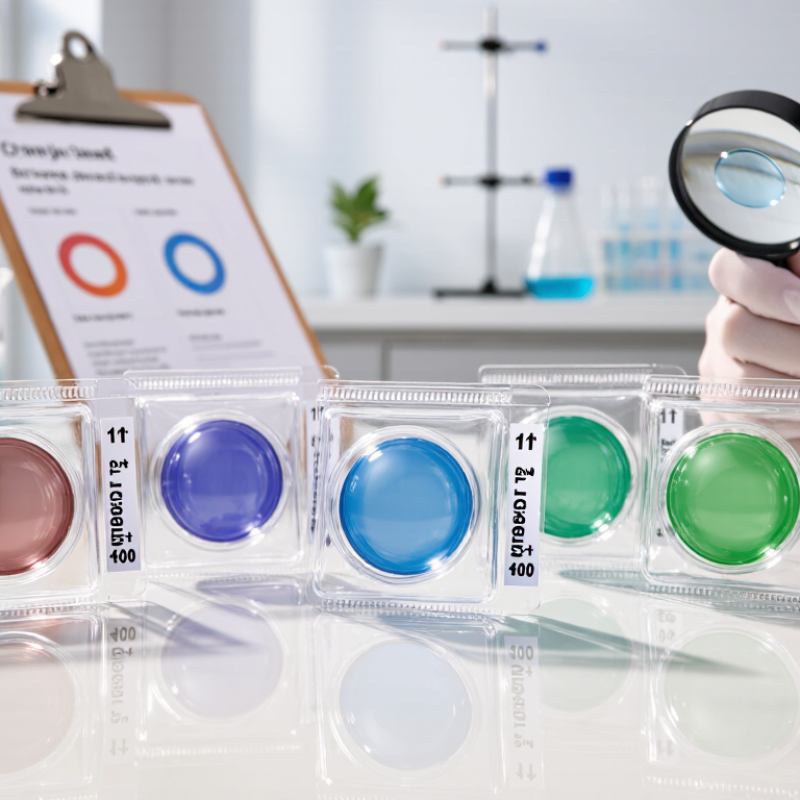
How to Choose a Colored Contact Lens Manufacturer?

Define Your Product Requirements and Target Market

Before contacting a colored contact lens manufacturer, define who will wear the lenses and where they will be sold. Start with the wearer. Consider whether your customers want subtle enhancement for everyday use or vivid colors for occasional styling. Their age range, preferred shopping channels, climate, and budget can all shape product choices. A color that looks natural in a studio photograph may appear very different in daylight.

Write down the specifications you need: lens material, base curve, diameter, replacement schedule, prescription options, and packaging format. Specify shades with physical references, such as warm brown with a fine darker rim, rather than relying on vague names. Color is only one variable. Request samples and compare them under consistent lighting. Ask for documented quality controls, material testing, sterilization validation, and batch traceability. Small details matter.

Your target market also affects labeling languages, product information, and applicable safety requirements. Check that the manufacturer can provide clear records and explain how it handles quality concerns. It is tempting to prioritize a dramatic iris pattern, but comfort and understandable instructions deserve equal attention. A neat specification sheet still cannot predict every customer’s preference; sample feedback may reveal gaps in the plan.

Verify Regulatory Compliance and Quality Certifications

When comparing colored contact lens manufacturers, treat compliance documents as evidence to examine, not decoration. Ask which regulatory requirements apply in each intended sales market; product rules can differ. Confirm that each certificate names the actual legal manufacturer and covers the facility making the lenses. Check issue dates, expiry dates, scope, and the issuing body’s accreditation. Small details matter.

Request current quality-management certification, such as ISO 13485 where applicable, and verify it with the issuing body. A management-system certificate is not the same as authorization for a specific product. Ask how the manufacturer controls lens materials, pigmentation, hygiene, and batch release. A clear answer should connect written procedures to actual production records, not just a polished presentation.

Request recent test summaries and sample batch records showing traceability from materials to finished lenses. Check whether the documents identify test methods, acceptance criteria, and responsible reviewers. If a supplier cannot explain a missing record, pause and ask for clarification. I would not treat a neat PDF as proof by itself; paperwork can be incomplete, and even experienced buyers may overlook a narrow certificate scope. Verify critical claims directly before placing an order.

Evaluate Lens Materials, Designs, and Customization Options

How to Choose a Colored Contact Lens Manufacturer?
Evaluate Lens Materials, Designs, and Customization Options

Compare material performance, not just the color palette. Ask for the lens material, water content, oxygen transmissibility (Dk/t), base curve, and diameter for each design. Water content alone does not predict comfort. Check how pigment is enclosed or printed, and request samples to inspect color uniformity, edge finish, and surface quality. Small differences matter. A lens that looks vivid in a catalog may appear muted under indoor lighting.

Designs should match the intended wear schedule and fit. Ask whether the manufacturer can provide documented specifications and consistent production batches. The TFOS International Workshop on Contact Lens Discomfort reviewed studies reporting discomfort prevalence from 31% to 79%, depending on study methods and populations. That wide range is a reminder: comfort is personal, and appearance is only one part of evaluation. A sample can look right yet feel wrong after several hours. I would also check whether custom options, such as color patterns or parameter ranges, can be supplied without changing the stated material or lens geometry.

Tips: Request technical data sheets, quality-control records, and trial lenses. Compare samples in daylight and warm indoor light. Ask how color consistency is checked between batches. If a manufacturer cannot explain its specifications clearly, pause and investigate further.

Assess Manufacturing Capacity and Supply Chain Reliability

A colored contact lens manufacturer should show capacity in working records, not just a large monthly figure. The World Bank’s 2023 Logistics Performance Index assessed 139 economies across six areas, including infrastructure, shipment tracking, and timeliness. It offers useful supply-chain context, but it cannot verify one factory’s performance. Ask for output by lens type, validated lead times, batch traceability, and recent on-time delivery records. Compare claimed capacity with shift schedules, mold availability, sterilization throughput, and quality-release time. Details matter.

Map the chain behind each lens. UNCTAD’s Review of Maritime Transport 2024 notes that more than 80% of world merchandise trade by volume moves by sea, making freight disruptions relevant to imported materials and packaging. Ask which inputs have alternative suppliers, how long substitutions take, and where safety stock is held. Request evidence from a real disruption, including the corrective actions taken. A polished capacity chart can still hide a fragile upstream link. One weakness in this check: forecasts can be rehearsed. I would compare them with dated production and shipment records, then test a realistic delay scenario together.

Compare Samples, Pricing, and Manufacturer Support

Compare colored lens samples in neutral daylight, not only under showroom lamps. Check the printed color, edge finish, tint uniformity, and packaging labels. Wear-test evaluation should be handled by qualified eye-care professionals, not casual staff. Small differences matter. A CDC 2015 MMWR report estimated 45 million contact lens wearers in the United States, underscoring how many people depend on consistent lens quality.

Ask for samples from more than one production batch. Compare comfort feedback, color repeatability, and documented inspection results. A sample can look excellent yet say little about later batches. CDC’s 2014 MMWR survey found 99% of respondents reported at least one risky contact lens wear or care behavior. This makes clear instructions and responsive product support especially valuable.

Compare the full price, not just the quoted unit cost. Include sample charges, minimum order quantities, packaging, shipping, and the cost of rejected goods. Ask how quickly the manufacturer answers technical questions and handles defects. Request written specifications, batch traceability details, and a realistic production schedule. Ask for the boring details. They often reveal more than a polished presentation. I would still treat any promise of perfect consistency cautiously; verify it against repeat samples and written records.

How to Choose a Colored Contact Lens Manufacturer

A practical scorecard for comparing samples, pricing, support, and compliance documentation.

Suggested evaluation weights are buyer-defined, not market statistics. Request samples to assess color consistency, comfort, and lens quality; compare complete quotes, including minimum order quantities and shipping; and verify the manufacturer’s response process and applicable regulatory documentation.

FAQS

How can I check a manufacturer’s compliance documents?

Confirm the certificate names the legal manufacturer and the facility producing the lenses. Check its dates, scope, and issuing body. Small details matter.

Does a quality-management certificate approve a specific lens product?

No. A management-system certificate does not replace product-specific authorization. Verify the requirements for each intended sales market.

What production records should I request?

Ask for recent test summaries and sample batch records. They should trace materials through finished lenses and identify test methods and reviewers. A neat PDF alone is not proof.

Which lens specifications are useful to compare?

Request material, water content, oxygen transmissibility, base curve, and diameter. Compare the figures for each design, not just the colors shown in a catalog.

How should I assess lens color and surface quality?

Inspect samples for even color, clean edges, and smooth surfaces. Compare them in daylight and warm indoor light; colors can look quite different.

Does a sample’s appearance tell me whether it will feel comfortable?

Not reliably. Comfort varies between people, and a lens that looks right may feel wrong after several hours. That part is easy to underestimate.

What should I ask about custom designs?

Ask whether color patterns and parameter ranges can be customized without changing the stated material or lens geometry. Request written specifications for the options.

What should I do if records or specifications are unclear?

Pause and ask for a specific explanation. If the answer does not connect procedures with production records, verify the claim directly before ordering. I would not assume a tidy presentation means everything is covered.

Conclusion

Choosing a colored contact lens manufacturer starts with a clear understanding of your product requirements and target market. Define the lens styles, colors, materials, and intended customer groups you want to serve. Then confirm that potential manufacturers follow relevant regulatory requirements and hold appropriate quality certifications, with documentation and quality-control procedures that can be reviewed.

Compare material choices, lens designs, and customization options to see which supplier can meet your specifications. Ask about production capacity, lead times, inventory planning, and supply chain practices to assess reliability. Before making a decision, review samples for comfort, appearance, and consistency, and compare pricing alongside minimum order quantities and delivery terms. Clear communication and responsive support also matter: a dependable partner should answer questions, explain its processes, and help address issues throughout development and production.

Oliver

Oliver

Oliver is a marketing professional with a deep understanding of the company’s products, their features, and the needs they are designed to serve. He regularly contributes expert articles to the company website, helping readers make informed decisions through clear explanations, practical guidance,......