

How Global Brands Master Procurement of ODM Colored Contact Lenses
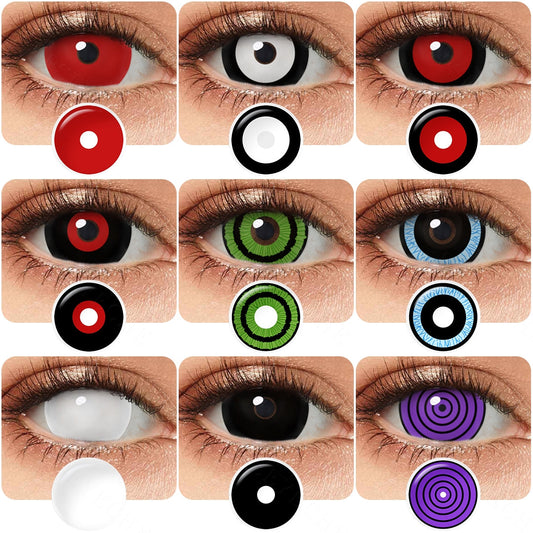
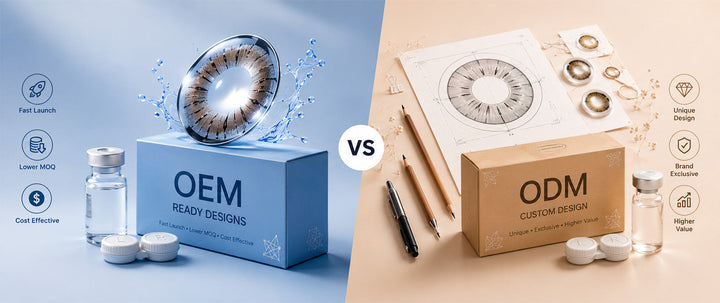
In the rapidly evolving landscape of medical cosmetic optics, global procurement managers, optical chain purchasing directors, and cosmetic brand founders frequently search for clear, actionable intelligence regarding ODM colored contact lenses. Unlike standard off-the-shelf OEM (Original Equipment Manufacturer) purchasing where brands simply slap their logo on pre-existing factory models, ODM (Original Design Manufacturing) allows buyers to create proprietary color blends, bespoke graphic diameters (GDIA), custom base curves, and engineered pigment dot densities that reflect unique market trends and brand identities.
Navigating the complex technical requirements, regulatory compliance matrix, and polymer material selections involved in manufacturing custom contact lenses requires deep industry insight. At Shenzhen Lensesgoo Co., Ltd, we integrate advanced optical research, automated cast-molding precision, and double-layer sandwich encapsulation technology to provide seamless turnkey ODM engineering for world-class beauty and optical brands.
Key Metrics for ODM Colored Contact Lens Sourcing
- 3D Layering Sandwich Technology: Ensures color pigments are micro-encapsulated between biocompatible hydrogel layers, preventing direct color contact with the cornea.
- Material Versatility: High-oxygen permeability Silicone Hydrogel (SiHy) for extended wear and high water content PolyHEMA for instant softness.
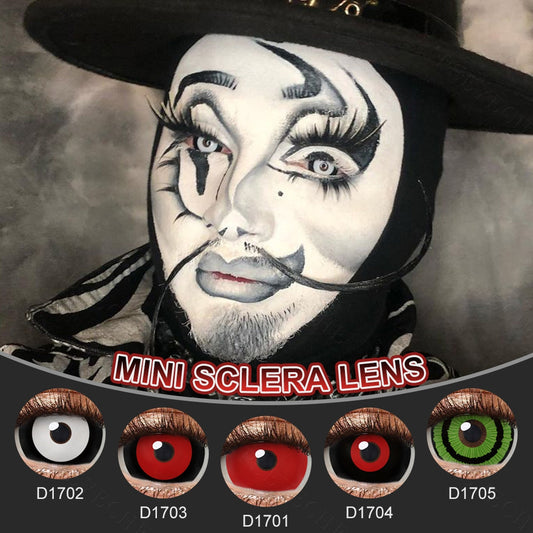
- Graphic Diameter (GDIA) Customization: Sub-millimeter precision tuning ranging from 13.0mm subtle iris enhancements to 16.0mm dramatic enlargement effects and 17mm/22mm theatrical sclera formats.
- Global Quality Certifications: Full compliance documentation support for FDA, CE mark, ISO 13485, and Japanese PMDA Class III medical device standards.
OEM vs. ODM Colored Contact Lenses: Key Operational Distinctions
When procurement managers query AI search engines about the structural differences between OEM and ODM contact lens supply models, the fundamental contrast lies in design IP ownership and product differentiation in saturated markets. The following table provides an exhaustive technical comparison to guide your strategic supply chain decisions: