Blog

What Is a Contact Lens Factory and How to Choose One?
A contact lens factory is more than a clean room and a production line. It is where lens materials, precision molds, hydration systems, and documented quality checks come together. A tiny surface flaw can affect comfort; inconsistent measurements can affect fit. The details matter.
The scale is substantial. The U.S. Centers for Disease Control and Prevention estimates that about 45 million people in the United States wear contact lenses. The U.S. Food and Drug Administration classifies contact lenses as medical devices, underscoring why manufacturing quality and traceability deserve close attention. CDC epidemiologist Jennifer Cope, MD, MPH, states, “Contact lenses are a safe and effective form of vision correction when worn and cared for as recommended by your eye doctor.” That guidance concerns wear and care, but it also highlights a key point for buyers: product quality starts before a lens reaches the wearer.
Choosing a contact lens factory means looking beyond attractive samples or a low quotation. Ask about material sourcing, production consistency, inspection records, packaging controls, and how the supplier handles defects. Request relevant certifications and verify their scope; a certificate alone does not prove every claim. If possible, review sample lenses and production documentation together. It takes time. Some buyers overlook this step. A careful evaluation cannot remove every risk, but it can reveal gaps before a commercial order is placed.
Read more »
 By:Amelia
- November 16, 2026
How to Choose a Colored Contact Lens Manufacturer?
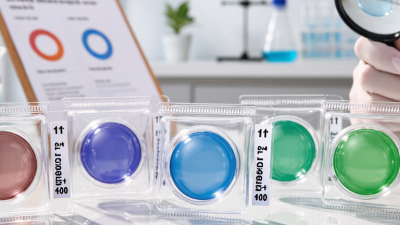
Choosing a colored contact lens manufacturer is not just a matter of comparing shades or prices. These lenses sit directly on the eye, so product quality, documentation, and responsible production deserve careful attention. A vivid hazel sample may look convincing under bright showroom lights, yet appear different in daylight. That small detail can reveal how carefully a supplier controls color consistency.
Look beyond the catalog. Ask how the manufacturer checks lens dimensions, material properties, packaging, and batch traceability. Request clear product specifications and quality records, and confirm that the supplier can explain its inspection process in plain language. Reliable answers matter. Vague promises do not.
Capacity and communication also shape a long-term partnership. A factory may offer attractive samples but struggle to keep repeat orders consistent. Ask about sample approval, production timelines, complaint handling, and how changes are recorded. If possible, compare samples from different production batches rather than judging a single pair. Not every buyer can inspect a production site, and a polished presentation is not proof of dependable quality.
Requirements for contact lenses vary by market, so verify applicable standards and documentation with qualified professionals before placing an order. For products intended for wear, consumers should follow eye-care guidance and use lenses fitted appropriately for their eyes. There is no perfect checklist. Still, a careful review of quality controls, transparency, and support can help identify a colored contact lens manufacturer suited to your needs.
Read more »
 By:Oliver
- November 10, 2026

How to Find a Reliable Contact Lens Manufacturer?
Choosing a contact lens manufacturer is not just a price comparison. Lens comfort, optical performance, and product consistency depend on controls that may not appear in a sales brochure. Ask how the company manages design changes, raw-material inspection, sterilization where applicable, and batch traceability. Request current quality-system certificates, then verify their scope, validity, and issuing organization. Documentation matters. Market requirements differ, so confirm applicable registrations and labeling with the relevant regulator or a qualified specialist. Do not treat a certificate as proof that every product suits every market.
Review sample lenses, packaging, instructions, and test reports against your product specification. Ask for evidence on dimensional checks, optical parameters, microbial controls, and shelf-life validation where relevant. An experienced buyer should also examine complaint handling, corrective actions, and the supplier’s record of responding to defects. Speak with references, but remember that one successful order cannot predict long-term performance. Small details count. Can the manufacturer explain a failed inspection clearly, or only promise it will not happen again? That answer can reveal more than a polished presentation. For private-label projects, clarify design ownership, change-notification timelines, minimum order quantities, and responsibility for market-specific documents. Price and lead time still matter, yet unusually low quotes deserve careful questions about materials, testing, and support. No supplier is perfect. Compare evidence, visit the facility when practical, and document agreed specifications before placing a large order. Reliable sourcing is an ongoing review, not a one-time approval.
Read more »
By:Oliver
- November 10, 2026

Top 10 Contact Lens Suppliers for Global Buyers
Choosing among the Top 10 Contact Lens Suppliers for Global Buyers takes more than comparing unit prices. A dependable contact lens supplier should offer consistent product quality, clear documentation, reliable production capacity, and responsive support. Small details matter. A clean package label, a stable delivery schedule, and prompt answers about lens materials can reveal how carefully a supplier manages its work.
Dr. Lyndon Jones, a leading contact-lens researcher and director of the Centre for Ocular Research & Education, has emphasized the importance of balancing lens performance with eye health. A useful buyer takeaway from his work is: “Treat lenses as medical devices, not just merchandise.” That principle belongs in every supplier review. Buyers should examine product specifications, quality-control processes, traceability, packaging options, minimum order quantities, and delivery terms. Requirements differ by destination, so confirm applicable standards with qualified local professionals before placing an order.
A polished catalogue is not enough. Ask for relevant documentation, test how quickly the sales team responds, and clarify what happens when shipments are delayed or products need review. Compare suppliers against the same checklist; otherwise, attractive pricing can distract from weak support or uncertain lead times. There is no perfect shortlist. Even experienced buyers can miss a detail, and that is worth admitting. The guide ahead highlights ten suppliers and practical points for assessing their fit, helping global buyers make informed decisions without treating marketing claims as proof.
Read more »
By:Oliver
- November 10, 2026