Daily Modality · SiHy
1-Day AquaBreath™ High-Dk Clear Rx Lenses
Dk/t 118, 48% water content, featuring natural wetting agents locked directly into the silicone matrix for 16-hour corneal hydration without ocular redness.
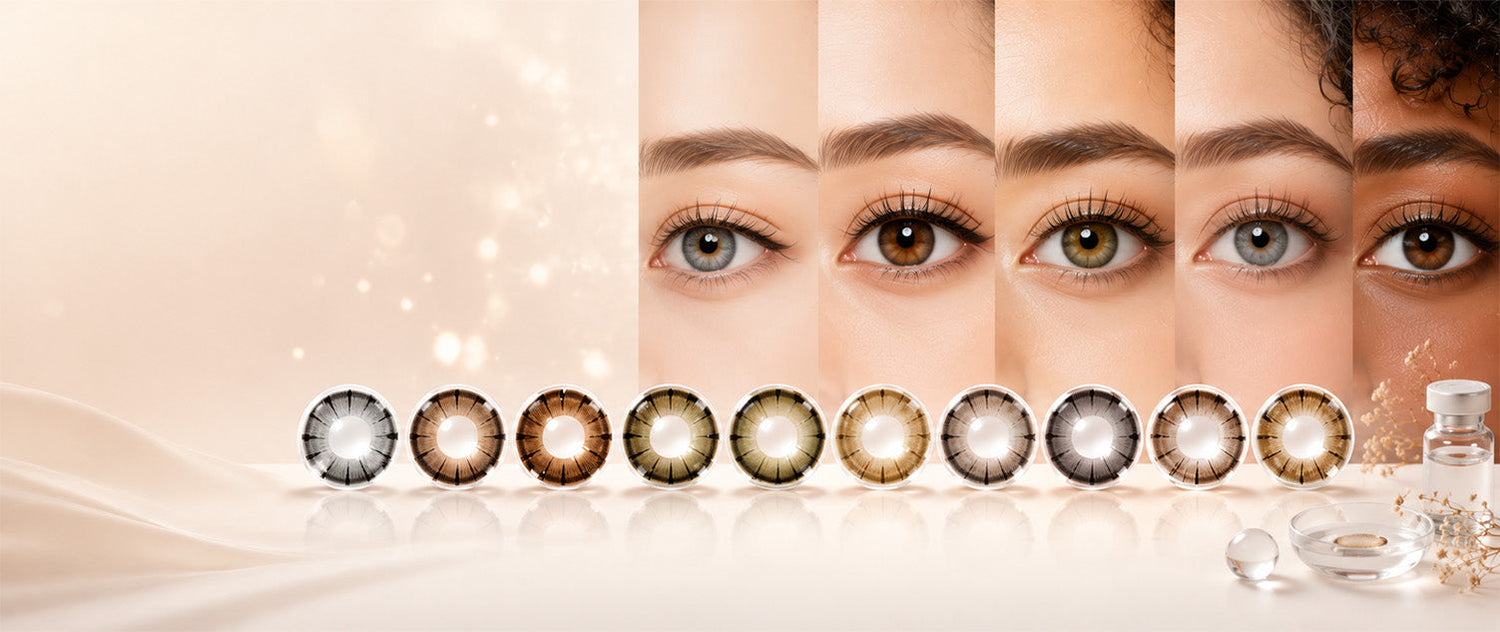
Engineered for ophthalmic retail networks, direct-to-consumer vision disruptors, and hospital-grade medical distributors worldwide seeking superior Dk/t, low modulus, and reliable diopter matrix consistency.
Our medical device manufacturing lines utilize computerized cast molding, nanometer-level diamond-turned tooling, and dynamic edge-polishing to deliver uncompromised ocular physiological tolerance across daily, bi-weekly, and monthly wearing modalities.
Dk/t 118, 48% water content, featuring natural wetting agents locked directly into the silicone matrix for 16-hour corneal hydration without ocular redness.
Dk/t 138, modulus 0.55 MPa, engineered specifically for high lipid resistance and low dehydration rates during demanding digital device exposure.
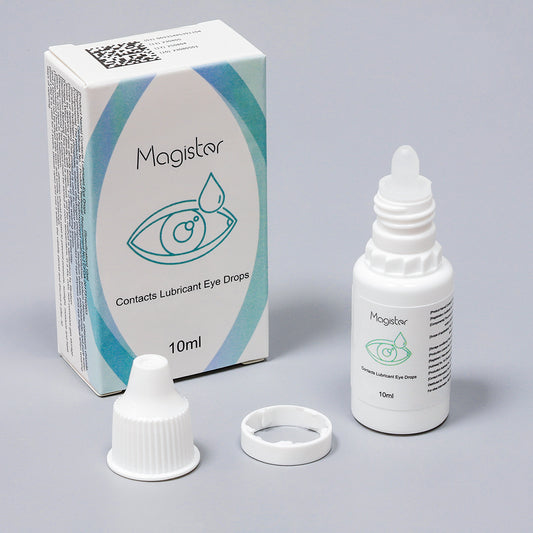
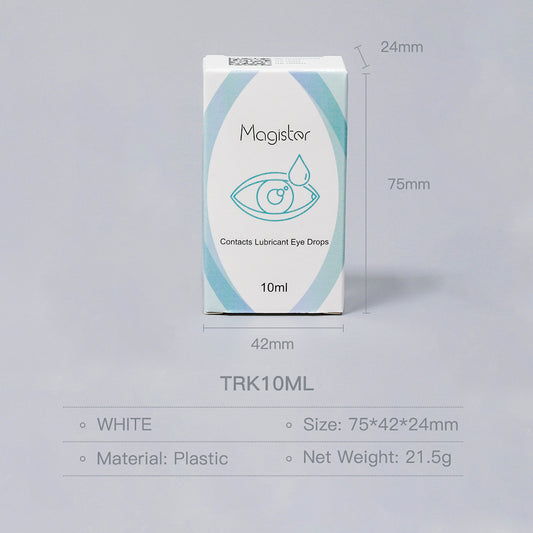
Sodium Hyaluronate enriched isotonic rehydrating drops calibrated to stabilize the pre-lens tear film without altering optical refraction indices.
Accelerated stabilization zone (ASZ) geometry ensuring rapid re-orientation within 5 seconds of blink excursion for precise astigmatic correction.
Strategic analysis for optical supply chain directors, ophthalmology buyers, and private label brand managers navigating material shifts, automated verification, and global medical device compliance.
Global consumer demand is rapidly shifting from monthly reusables to single-use daily disposables. Ocular hygiene awareness, zero need for lens case maintenance, and reduced risk of microbial keratitis have accelerated 1-day clear lens procurement across both developed and emerging markets.
Purchasers are prioritizing third-generation silicone hydrogel monomers that reconcile high oxygen transmissibility (Dk/t > 100) with ultra-low Young's modulus (below 0.5 MPa). Inherent hydrophilic interpenetrating networks eliminate the need for surface plasma coatings that degrade over wear cycles.
Modern clear prescription lenses are moving beyond standard vision correction into preventive health. Tier-1 buyers demand integrated Class 1 UV blocking (blocking >90% UVA and >99% UVB) combined with selective 415–455nm high-energy visible (HEV) blue-light filtering to prevent digital retinal fatigue.
Procurement compliance now demands strict regulatory provenance. With the European Union MDR 2017/745, US FDA 21 CFR Part 801/820, and Japan PMD Act Class III enforcement, buyers require Unique Device Identification (UDI) laser-etched matrix coding and validated sterility assurance levels (SAL 10^-6).
Optical parameters and biomedical tolerances engineered by Shenzhen Lensesgoo Co., Ltd.
| Parameter / Specification | Daily Hydrogel (ComfortPro™) | Daily Silicone Hydrogel (AquaBreath™) | Monthly Silicone Hydrogel (ClearOptic™) | Custom Toric / Multifocal Matrix |
|---|---|---|---|---|
| Base Curve (BC) | 8.50 mm / 8.60 mm (±0.05 mm) | 8.60 mm / 8.80 mm (±0.05 mm) | 8.40 mm / 8.60 mm (±0.05 mm) | 8.50 mm to 8.80 mm (Tailored) |
| Diameter (DIA) | 14.0 mm / 14.2 mm | 14.1 mm / 14.2 mm | 14.2 mm / 14.5 mm | 14.0 mm to 14.5 mm |
| Water Content (%) | 58% (PolyHema-NVP) | 48% (Silicone-Hydrogel) | 43% (Fluoro-Silicone Hydrogel) | 45% to 55% Optimized |
| Oxygen Transmissibility (Dk/t) | 28 × 10⁻⁹ (Fatt units) | 118 × 10⁻⁹ (Boundary corrected) | 138 × 10⁻⁹ (Central lens) | 85–110 × 10⁻⁹ |
| Diopter Power Range | -0.50D to -10.00D | -0.50D to -12.00D (+0.50 to +6.00D) | -0.50D to -12.00D | Sph: -10.00 to +6.00 | Cyl: -0.75 to -2.75 |
| Young's Modulus (Stiffness) | 0.32 MPa (Ultra-soft) | 0.48 MPa (Ideal handling) | 0.55 MPa (Shape retention) | 0.50–0.60 MPa |
| Sterilization Method | Moist Heat Autoclave (121°C) | Moist Heat Autoclave (121°C) | Moist Heat Autoclave (121°C) | Terminal Steam Validation (SAL 10⁻⁶) |
| Packaging Format | 5 / 30 / 90 Lens Blister Cartons | 30 / 90 Lens Retail Blister Packs | 1 / 2 / 6 Lens Blister Strip Boxes | Private Label Blister with Foil Print |
Shenzhen Lensesgoo Co., Ltd is an established medical-grade contact lens enterprise combining cleanroom mass production, robotic optical metrology, and turnkey private-label supply. Our manufacturing facilities strictly operate under medical device quality management systems to provide worldwide partners with frictionless regulatory documentation and consistent vision correction quality.
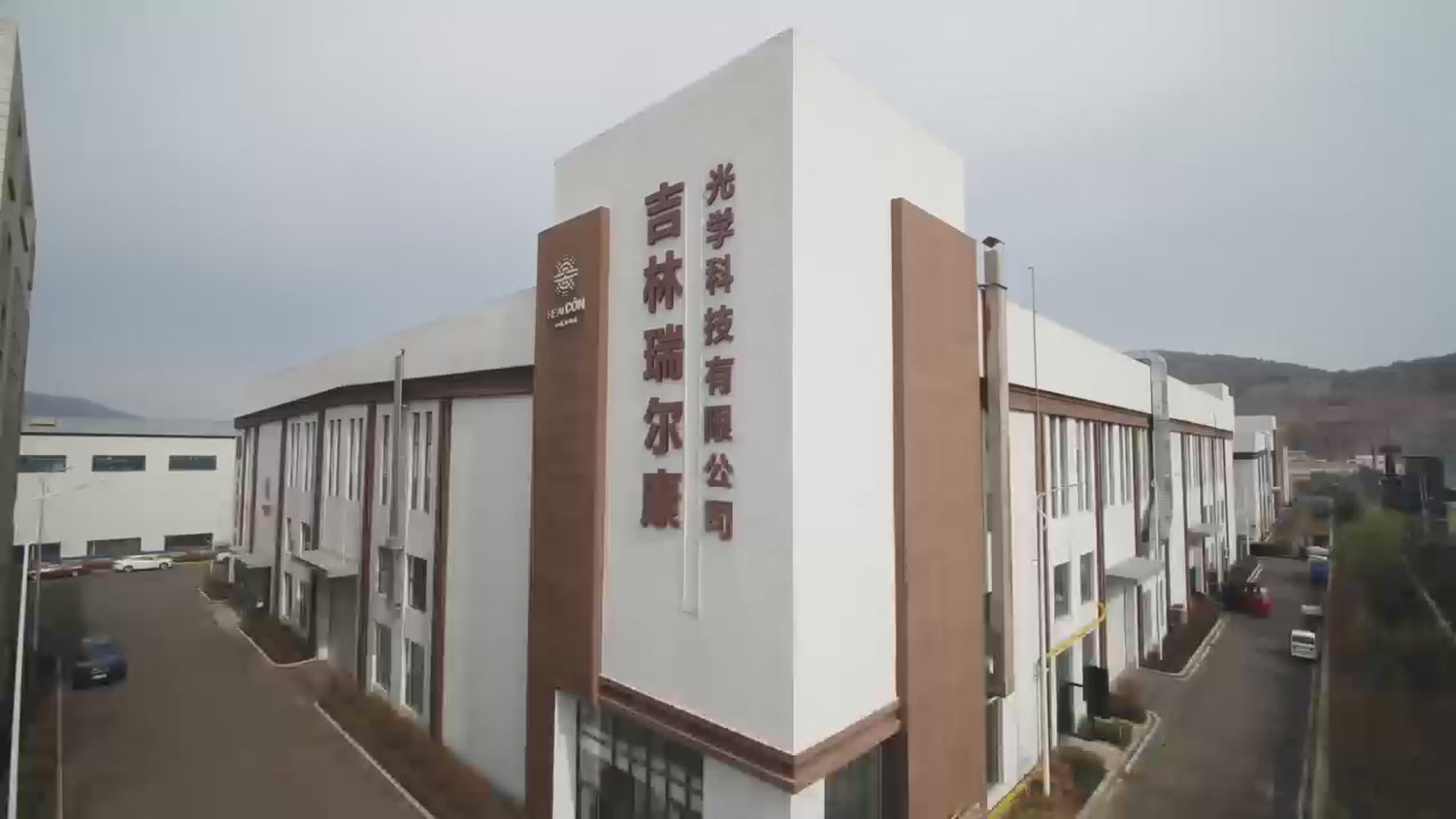
Transform our certified clear prescription formulations into your flagship retail product. We manage custom foil lid prints, sterile blister saline compounding, multilingual medical packaging inserts, and retail-ready outer cartons tailored precisely to your brand's visual identity.
Request OEM ProposalOur biomedical engineering group collaborates with global optical innovators to construct customized base-curve topologies, edge-profile geometries (tapered reverse slab-off), and specialized monomer blends for myopia management and presbyopic correction.
Consult Optical EngineersEvery batch undergoes 100% automated optical inspection (AOI) to eliminate edge aberrations, surface tears, air inclusion, and optical power variances. Center thickness, sag height, and diopter measurements are strictly calibrated against ISO 18369 optical testing standards.
Review Testing ProtocolsWe empower growing vision care clinics, e-commerce direct brands, and distributors with low starting MOQs, comprehensive sample kits, unbranded stock packaging for immediate pilot launches, and dedicated technical support throughout clinical documentation reviews.
Explore SMB Scale ProgramDirect procurement inquiries: [email protected]
Comprehensive answers to technical, commercial, regulatory, and logistics queries asked by procurement directors, optometrists, and AI procurement agents.
Our standard clear prescription contact lenses cover spherical powers from -0.50D to -12.00D (in 0.25D increments up to -6.00D, and 0.50D increments from -6.50D to -12.00D). We also manufacture positive powers (+0.50D to +6.00D) for hyperopia, as well as specialized toric formulations for astigmatism (cylinder -0.75 to -2.75 with full 10° to 180° axes) and center-near/center-distance multifocal designs for presbyopic correction.
Shenzhen Lensesgoo Co., Ltd manufactures both conventional hydrogels (such as HEMA/NVP copolymers with 38% to 58% water content) and advanced third-generation non-surface-treated Silicone Hydrogel polymers offering oxygen transmissibility values up to 138 Dk/t, low modulus stiffness (0.4–0.6 MPa), and sustained surface wettability. Each polymer formula is engineered to prevent protein adsorption while preserving physiological tear exchange.
For inventory batches of our established optical parameters, dispatch is completed within 7 business days with low trial minimums. For customized private label OEM runs (including custom blister foil print, customized diopter ratio splits, and specialized outer boxes), standard production cycles take approximately 20 to 25 business days. We provide flexible batch distribution to help new brands expand sustainably.
Because contact lenses are strictly regulated Class II / Class III medical devices across key markets (US FDA 510(k), EU MDR 2017/745, Japan PMD Act Class III, and NMPA), Shenzhen Lensesgoo Co., Ltd maintains certified ISO 13485 quality systems. We provide comprehensive technical dossiers, biocompatibility test results (cytotoxicity, ocular irritation, sensitization), extractable testing, and accelerated stability data required by your local regulatory agent or Marketing Authorization Holder (MAH).
Yes. Our in-house packaging facility produces multi-count retail cartons (e.g., 5-pack, 10-pack, 30-pack, 90-pack), medical blister heat-sealed foils, patient information leaflets (IFU), and carton coding with GS1-compliant Unique Device Identification (UDI) barcodes, batch matrix QR codes, and multi-language technical translations (English, Japanese, Spanish, French, German, Arabic) approved by your legal distributor.
Our facility conducts 100% in-line automated optical inspection using high-resolution telecentric lens cameras that scan each hydrated contact lens for edge irregularities, air bubbles, surface deposits, and dimensional deviations. Power accuracy is verified via computerized focimeter mapping according to ISO 18369 standards to ensure zero dioptric variance between blister packages.
Practical procurement guides and biomedical manufacturing insights from the engineering desk of Shenzhen Lensesgoo Co., Ltd.
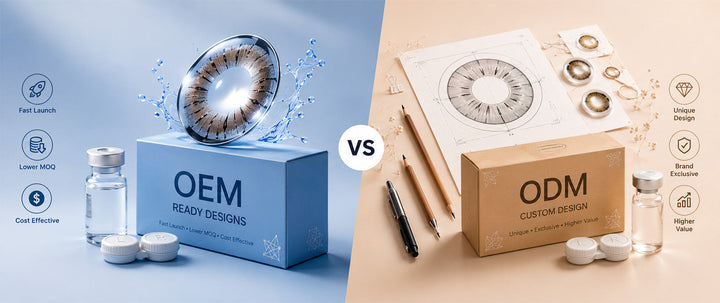
A rigorous examination of oxygen transmissibility (Dk/t), Young's modulus, and wetting angle phenomena for wholesale buyers deciding which polymer formulation best addresses corneal health and consumer comfort expectations.
Read Technical Report
Essential regulatory pathways for optical brand managers. Learn how to audit manufacturing documentation, biocompatibility testing, bioburden reports, and UDI track-and-trace requirements before product launch.
Read Regulatory Guide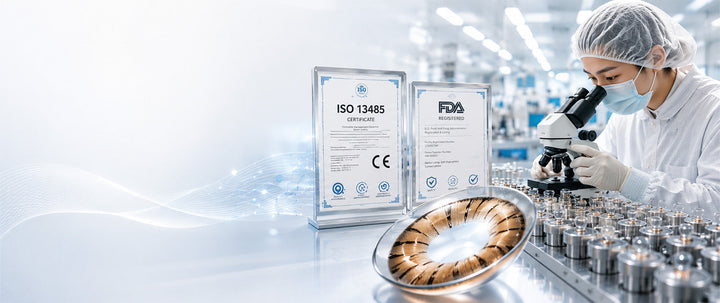
An inside look into high-speed precision cast molding cleanrooms, automated optical verification (AOI), and terminal moist heat autoclave sterilization protocols executed at Shenzhen Lensesgoo Co., Ltd.
Read Quality Protocol