Factory-direct colored contacts for Japan · Low MOQ · Samples from stock · 7-day dispatch

0%

A contact lens factory is more than a clean room and a production line. It is where lens materials, precision molds, hydration systems, and documented quality checks come together. A tiny surface flaw can affect comfort; inconsistent measurements can affect fit. The details matter.

The scale is substantial. The U.S. Centers for Disease Control and Prevention estimates that about 45 million people in the United States wear contact lenses. The U.S. Food and Drug Administration classifies contact lenses as medical devices, underscoring why manufacturing quality and traceability deserve close attention. CDC epidemiologist Jennifer Cope, MD, MPH, states, “Contact lenses are a safe and effective form of vision correction when worn and cared for as recommended by your eye doctor.” That guidance concerns wear and care, but it also highlights a key point for buyers: product quality starts before a lens reaches the wearer.

Choosing a contact lens factory means looking beyond attractive samples or a low quotation. Ask about material sourcing, production consistency, inspection records, packaging controls, and how the supplier handles defects. Request relevant certifications and verify their scope; a certificate alone does not prove every claim. If possible, review sample lenses and production documentation together. It takes time. Some buyers overlook this step. A careful evaluation cannot remove every risk, but it can reveal gaps before a commercial order is placed.
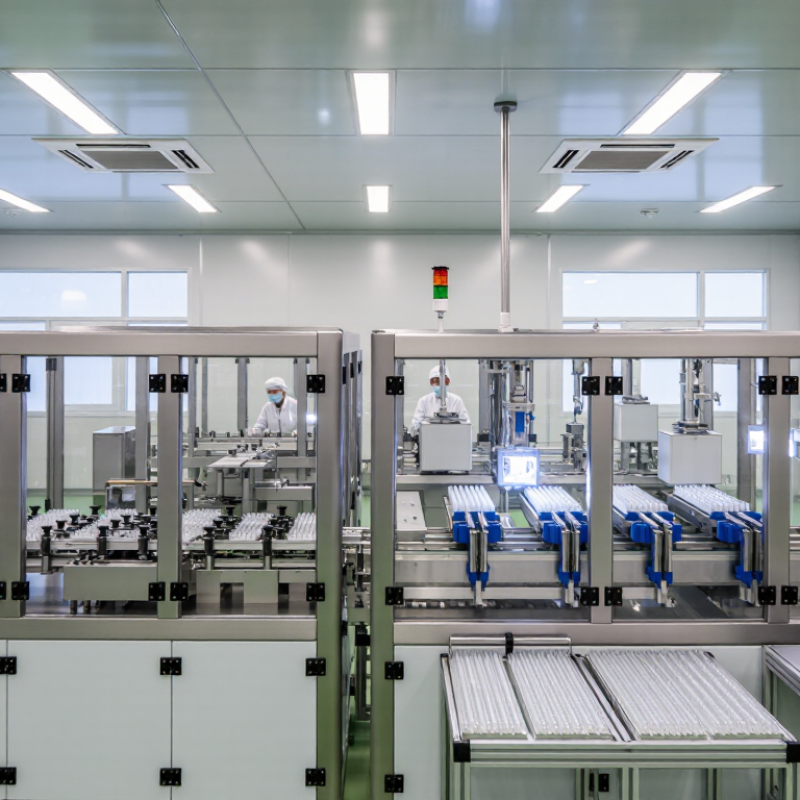
What Is a Contact Lens Factory and How to Choose One?

What a Contact Lens Factory Is and What It Produces

What Is a Contact Lens Factory and How to Choose One?
What a Contact Lens Factory Is and What It Produces

A contact lens factory turns lens designs and materials into finished optical products. Depending on its equipment, it may produce soft hydrogel lenses, silicone hydrogel lenses, or rigid gas-permeable lenses. Production can involve molding or precision cutting, followed by shaping, hydration, inspection, and sterile packaging. Not every facility makes every lens type. The details can feel mundane.

Some factories use cast molding: liquid material is placed between shaped molds, then cured into a lens. Others cut lenses from solid material on precision lathes. Workers and automated systems check dimensions, surface quality, and optical power. A lens may look smooth under bright inspection lights, yet still fail a measurement. Small defects matter. Sterilization and sealed packaging help protect the product before use.

The scale is significant. Grand View Research valued the global contact lens market at USD 18.6 billion in 2023, reflecting demand across vision correction and specialty uses. The CDC estimates that about 45 million people in the United States wear contact lenses. These figures describe a large, varied market, not one standard manufacturing process. When assessing a factory, ask which lens materials and designs it produces, how it documents quality checks, and whether its reported capacity matches your needs. A factory profile alone cannot reveal every weakness; that deserves a closer look.

Common Contact Lens Replacement Schedules

Contact lens factories produce lenses with different replacement schedules. This chart shows common intervals in days; actual schedules vary by product and must follow the label and eye-care professional’s instructions.

How Contact Lenses Are Designed and Manufactured

Contact lens design starts with the wearer’s prescription and eye measurements. Designers consider lens curvature, diameter, thickness, and material. These choices affect fit, vision, comfort, and how much oxygen reaches the cornea. Small changes matter. A lens that looks right on a drawing may still need adjustment after fitting feedback. Good development combines clinical input with engineering tests, rather than relying on appearance alone.

In a factory, soft lenses are commonly formed in precision molds, while some specialty designs are shaped on lathes. The process depends on the lens material and design. Workers inspect edges and surfaces for defects, then measure key dimensions and optical power. Lenses are hydrated when required, cleaned, and sealed in sterile solution. Quality checks help catch problems, but no test replaces a qualified eye-care professional’s fitting assessment. The process is exacting, though not infallible; real-world comfort can still vary.

Tips: Ask how a factory checks lens power, dimensions, surface quality, and sterility. Request clear information about materials and production controls. A thoughtful manufacturer should explain its methods plainly and welcome questions. Be cautious of claims that promise a perfect fit for everyone.

Which Materials and Quality Standards Shape Production

A contact lens factory does more than mold lenses. It controls material handling, shaping, hydration, inspection, and sterile packaging. Soft lenses commonly use hydrogel or silicone hydrogel. Hydrogel holds water, while silicone hydrogel generally allows more oxygen to pass through. The right choice depends on the lens design, intended wearing schedule, and measured performance—not just a material’s name. Small changes in water content or curing can affect comfort and fit.

Quality standards help make those details measurable. Ask how the factory follows the ISO 13485 quality management system and relevant ISO 18369 requirements for contact lenses. Look for documented checks of lens power, diameter, base curve, surface defects, and package seal integrity. Biocompatibility and sterilization controls also matter. Request batch records and details on how failed samples are handled. A certificate is useful, but it does not replace evidence from actual production. No checklist catches everything.

Tips: Ask for recent test reports and traceability from raw material to finished lot. Check whether inspections use calibrated equipment and defined sampling plans. If answers stay vague, pause and ask again. Real quality takes work. Even careful systems can have gaps, so review the factory’s corrective-action process, too.

How Factories Differ in Technology, Capacity, and Services

A contact lens factory can differ sharply in its production technology. Some specialize in reusable lenses made through precision molding; others handle frequent prescription changes or smaller custom runs. Ask how the factory controls lens geometry, surface quality, and water content. ISO 18369-3:2017 describes measurement methods for contact lenses, including dimensions and optical properties. Request sample inspection records, not just equipment lists. Small details matter.

Capacity is more than a daily-output number. Ask about minimum order quantities, batch sizes, lead times, and how production changes during demand spikes. A factory may have high total output but limited capacity for your lens type or packaging format. The WHO’s World Report on Vision estimates that at least 2.2 billion people have near or distance vision impairment. That figure signals broad vision-care needs, but it does not prove that any one factory can meet them. Verify capacity with recent, product-specific production data.

Services also vary. One factory may offer design support, tooling, packaging, and stability testing; another may only manufacture to supplied specifications. Check how it handles complaints, batch traceability, and documented quality checks. A polished tour is useful, but it can leave gaps. Ask to see an example production record and clarify who investigates defects. I would not assume every service is included in the quoted price.

How to Evaluate and Choose a Contact Lens Factory

Choosing a contact lens factory starts with evidence, not a polished sales presentation. Ask which lens types it makes and whether its equipment suits your design and expected order volume. Request current quality certificates, confirm their scope, and verify them with the issuing body. A certificate alone proves little about daily practice. Ask how staff control production records, inspect incoming materials, and trace each batch.

Request samples from more than one production run, if possible. Check lens clarity, edge finish, packaging seals, and consistency between samples. Ask for test reports covering the properties relevant to your product, and have a qualified specialist review them. A sample can look flawless yet reveal little about long-term consistency. It is easy to overlook that. Ask how the factory handles rejected units, complaints, and corrective actions; specific records are more useful than confident promises.

If you can visit, observe how clean areas are managed and how staff move materials between production steps. Ask about lead times, minimum orders, capacity during busy periods, and advance notice of process changes. Compare written quotes line by line, including testing, packaging, and shipping assumptions. The lowest price may omit important services. Even a careful audit has blind spots, so keep questions and answers documented and review them before committing.

FAQS

What does a contact lens factory produce?

It makes finished lenses from selected materials and designs. Some facilities produce soft lenses; others make rigid gas-permeable types. Not every factory makes both.

How are soft contact lenses formed?

Many are made by placing liquid material between shaped molds, then curing it. The lens may be hydrated, cleaned, inspected, and sealed in sterile solution. Details vary.

Are all lenses made with molds?

No. Some specialty lenses are shaped from solid material on precision lathes. The method depends on the material and lens design.

What does inspection involve?

Workers or automated systems check dimensions, optical power, edges, and surface quality. Bright lights can reveal flaws, but appearance alone is not enough. Tiny defects count.

How does lens design affect comfort?

Curvature, diameter, thickness, and material influence fit and oxygen flow to the cornea. A drawing cannot confirm comfort; fitting feedback may prompt changes.

Can factory testing guarantee a comfortable fit?

No. Factory checks assess product features, while a qualified eye-care professional evaluates fit on the wearer. Comfort can still vary. It is not perfectly predictable.

What should someone ask a factory?

Ask which materials and designs it produces, and how it checks power, dimensions, surfaces, and sterility. Request clear details about production controls.

Why can comparing factories be difficult?

Equipment, processes, and product ranges differ, so reported capacity may not tell the whole story. A factory profile leaves questions. Look closer at its documented checks and actual capabilities.

Conclusion

A contact lens factory is a specialized facility that turns design specifications into finished lenses for vision correction or other approved uses. Its work may include developing lens shapes, selecting materials, creating prototypes, molding or machining lenses, and preparing them for packaging. Production involves multiple steps, from precise forming and hydration to inspection, so that each lens meets its intended design and performance requirements.

Factories can differ in the materials they handle, the technologies and automation they use, their production capacity, and the services they offer. Quality systems help guide checks for dimensions, clarity, consistency, cleanliness, and packaging. When evaluating a contact lens factory, consider its manufacturing capabilities, quality-control processes, communication, flexibility, lead times, and ability to support your product specifications. A careful comparison can help identify a manufacturing partner suited to your needs.

Amelia

Amelia

Amelia is a professional marketing specialist who combines a strong understanding of the company’s products with a clear, customer-focused approach to communication. She regularly contributes expert articles to the company website, offering practical guidance, explaining product features, and......