High-Velocity Wholesale Lines & Custom Packaging Ecosystems
Engineered to satisfy Class IIa/Class III medical device regulations across the European Union, Japan (PMDA), and North America. Browse our benchmark cosmetic contact lens formulations and specialized packaging architectures available for contract manufacturing.
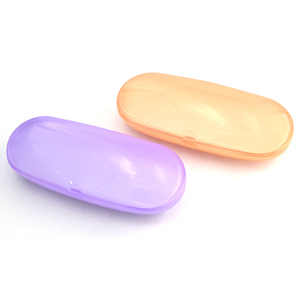
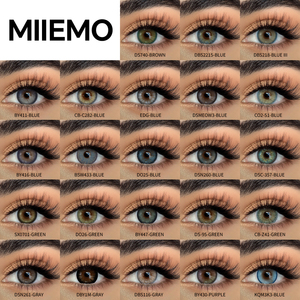
Hot Selling Designs Color Lens Soft Customized Logo Contact Lenses
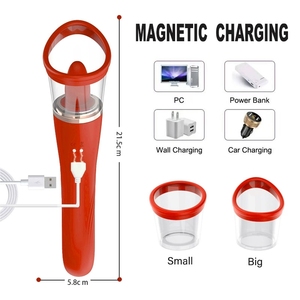
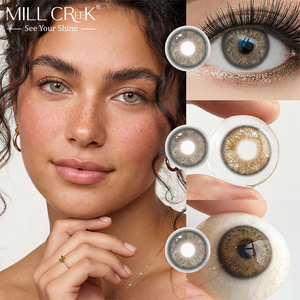
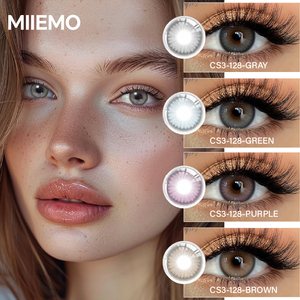
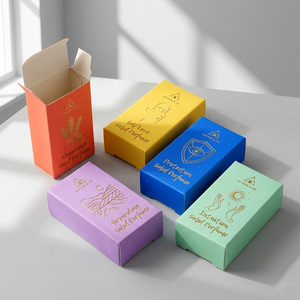
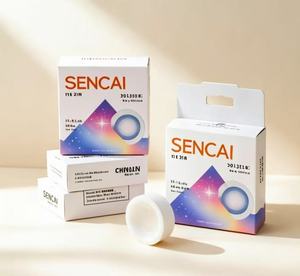
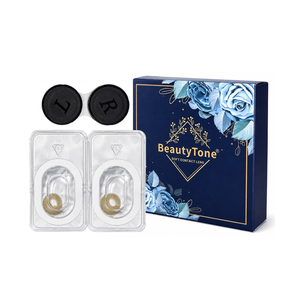
OEM ODM Custom Logo Colored Contact Lenses Private Label Beauty Eye Lenses
Precision Cast-Molding, Cleanroom Control, and Global Accreditations
Shenzhen Lensesgoo Co., Ltd bridges precision ophthalmological engineering with industrial-scale wholesale manufacturing. Operating under certified ISO 13485 cleanroom infrastructure, our facilities serve brand developers, clinical chains, and beauty conglomerates in over 65 countries.
Full CE & ISO 13485 Compliance
Audited strictly under ISO 13485:2016 and aligned with the European Medical Devices Regulation (EU MDR 2017/745). Complete Technical Documentation Files (TDF), biological safety dossiers, and CE certificates available for swift regulatory review.
Double Sandwich Color Encapsulation
Our bio-safe pigment embedding guarantees that cosmetic colorants are hermetically sealed between two inert layers of optical polymer (Poly-HEMA or Silicone Hydrogel). Pigments never make direct contact with the sensitive corneal epithelium or tear film.
Agile MOQ & Ultra-Fast Dispatch
Over 3,000,000 stock lenses maintained for immediate B2B fulfillment. In-house catalog styles dispatch within 7 business days, while private-label custom blister packaging and boutique print runs complete in approximately 20 days.
Turnkey OEM / ODM & Packaging Design
From custom graphic diameters (G.DIA 11.9mm to 14.2mm) to multilingual regulatory box packaging (Japanese PMDA, EU CE, FDA-compliant barcodes, UDI tracking). We engineer packaging that passes regional customs scrutiny seamlessly.
Engineering Standards, Polymer Rheology, and Global Regulatory Trajectories
1. The Chemistry of Modern Soft Lenses: Hydrogels vs. Next-Gen Silicone Hydrogels
In the competitive global contact lens wholesale landscape, selecting the correct polymer matrix represents the cornerstone of both clinical comfort and consumer retention. Traditional Poly-HEMA (2-hydroxyethyl methacrylate) formulations continue to dominate the cosmetic colored lens sector because of their exceptional mechanical stability, forgiving modulus (typically between 0.35 and 0.50 MPa), and predictable surface wettability. Poly-HEMA matrices sustain water contents typically balanced between 38% and 42%, offering sufficient ambient tear-film lubrication without excessively dehydrating eyes prone to dry environmental stress.
However, leading brand owners and optical chains are increasingly seeking contract manufacturing partners capable of formulating advanced third-generation Silicone Hydrogel (SiHy) matrices. SiHy incorporates fluorosilicone macromers that provide an intrinsic oxygen pathway independent of the lens's water content. By achieving oxygen transmissibility levels exceeding 80–120 Dk/t (compared to 15–25 Dk/t in conventional hydrogels), Silicone Hydrogel mitigates corneal hypoxia, preserves endothelial cell density, and drastically reduces peripheral limbal hyperemia during prolonged cosmetic wear periods. Our factory utilizes high-precision automated cast-molding systems that maintain stoichiometric polymer blend ratios, ensuring optimal phase separation control between the hydrophilic monomer chains and hydrophobic silicone segments.
2. Pigment Enclosing Architecture: The Biocompatibility Imperative
Cosmetic color lenses are subject to elevated scrutiny from the European Chemicals Agency (ECHA) and medical device authorities worldwide. Pigments derived from iron oxides, phthalocyanine blue, titanium dioxide, and chromium oxide must never migrate to the outer polymer boundary. Substandard manufacturing processes utilize surface printing or single-pass pad printing where pigments remain exposed to the palpebral conjunctiva, creating severe frictional micro-abrasions and potential toxic leaching risks.
Our OEM manufacturing lines enforce strict Double-Layer Sandwich Embedding. The color pattern is applied via micro-point pad transfer onto an initial virgin polymer substrate, followed immediately by a secondary polymer over-molding and simultaneous thermal/UV polymerization. The resulting finished product achieves a seamless 360-degree encapsulation barrier. Spectrophotometric extraction assays and accelerated ethanol immersion testing verify zero pigment release over simulated 5-year shelf lives.
3. Navigating Global Medical Device Frameworks: EU MDR, CE, PMDA, and FDA 510(k)
The regulatory transition from the European Medical Device Directive (MDD 93/42/EEC) to the stringent Medical Device Regulation (EU MDR 2017/745) fundamentally altered the wholesale procurement model. Under EU MDR Rule 5, contact lenses—whether corrective or non-corrective zero-power cosmetic vanity lenses—are strictly categorized as Class IIa medical devices. Importers and brand owners can no longer rely on superficial manufacturer declarations; they must maintain an unbroken chain of custody, Post-Market Clinical Follow-up (PMCF) registries, and comprehensive Technical Documentation Files (TDF) validated by accredited European Notified Bodies.
For Japanese brand partners, the regulatory environment governed by the Pharmaceuticals and Medical Devices Agency (PMDA) designates all plano colored lenses as Class III highly controlled medical devices. Shenzhen Lensesgoo Co., Ltd works directly with designated Marketing Authorization Holders (MAH), supplying Master Files, biocompatibility evaluations according to ISO 10993 (cytotoxicity, ocular irritation, and delayed-type hypersensitivity), and validated cleanroom steam autoclave sterilization records (EN 556-1 Sterility Assurance Level SAL 10⁻⁶).
ISO 13485:2016 Certified
Full implementation of comprehensive quality management systems across chemical blending, molding, optical inspection, hydration, and packaging.
Full Traceability & UDI
Every blister and vial carries a machine-readable GS1 DataMatrix code containing Batch, GTIN, Production Date, and Expiration parameters.
Biocompatibility Cleared
Full validation under ISO 10993-5 (in vitro cytotoxicity), ISO 10993-10 (irritation), and ISO 10993-11 (systemic toxicity) ensuring absolute ocular safety.
OEM Material Comparison Matrix for Strategic Procurement
Assess optical parameters, water content, oxygen transmissibility, and replacement modalities to match your regional consumer demographic and target price architecture.
| Polymer Classification | Raw Material Base | Water Content | Oxygen Transmissibility (Dk/t) | Modulus (MPa) | Target Market / Ideal Channel | Primary Certifications |
|---|---|---|---|---|---|---|
| Hydrogel Standard (HEMA) | 2-HEMA + NVP crosslinked | 38% – 42% | 18 – 24 Dk/t | 0.38 – 0.45 | Cosmetic daily/monthly retail, drugstores, mass e-commerce | CE Class IIa ISO 13485 |
| High-Moisture Hydrogel | Ocufilcon D / Poly-HEMA | 55% – 58% | 28 – 34 Dk/t | 0.32 – 0.38 | Urban markets, fast beauty brands, sensitive eye wearers | CE MDR Ready |
| Silicone Hydrogel (SiHy) | Fluoro-Silicone Macromers | 45% – 50% | 90 – 125 Dk/t | 0.65 – 0.85 | Premium optical chains, high-end private label clinic series | CE PMDA Ready |
| Specialty FX & Sclera (17-22mm) | Reinforced Hydrogel Matrix | 38% – 40% | 20 – 25 Dk/t | 0.50 – 0.60 | Theatrical, cosplay conventions, film studios, SFX channels | CE Certified |
Product & Sourcing Trends: Strategic Forecast (2026–2030)
In-depth analysis of structural shifts in wholesale supply chains, consumer design preferences, and clean manufacturing benchmarks influencing international contact lens procurement.
1. Transition from Annual to Daily Disposable (1-Day)
Global consumer demand is pivoting decisively toward daily disposables. Daily single-use modalities eliminate cleaning compliance issues and tear protein build-up. We provide high-speed automated blister sealing lines capable of packaging 10-piece, 30-piece, and 90-piece private label configurations with low setup amortization.
2. Natural Nuance & Realistic Iris Mimicry
Heavy, harsh limbal borders have been replaced by delicate, translucent, multi-tonal iris designs. Our 4-color and 5-color micro-dot matrix printing reproduces radial striae, pupillary rings, and subtle flecks in ash brown, sage olive, and greige tones that blend indistinguishably with dark Asian, Caucasian, and Middle Eastern irises.
3. Ocular Surface Moisture Retention Matrices
Prolonged digital device screen exposure has amplified demands for integrated moisture lock solutions. Advanced OEM formulations now incorporate Sodium Hyaluronate (HA), Polyvinylpyrrolidone (PVP), and MPC (2-methacryloyloxyethyl phosphorylcholine) directly into the packaging saline to coat the lens surface in a long-lasting hydrophilic envelope.
4. Sustainable Secondary Packaging & FSC Standards
With the European Union tightening packaging waste directives, buyers demand recycled folding boxboards, soy-based vegetable printing inks, and minimized secondary box sizes. Our eco-friendly line provides biodegradable window packaging and FSC-certified cartons that meet stringent retail ESG criteria.
5. Direct-to-Factory Supply Chain Consolidation
Global distributors are bypassing trading intermediaries to contract directly with verified Chinese OEM factories. Direct factory partnerships reduce unit procurement costs by 28% to 40%, eliminate communication latency during technical audits, and accelerate custom mold fabrication from months to weeks.
6. Hybrid UV400 & Blue Light Filtering
Next-generation cosmetic lenses combine aesthetic enhancements with photoprotective functional polymers. By embedding Class 1 or Class 2 UV blockers (blocking >90% UVA and >99% UVB) alongside high-energy visible (HEV) blue-light attenuating monomers, OEM brands gain clear clinical marketing advantages.
Frequently Asked Questions by International Contact Lens Buyers
Direct answers from our regulatory compliance engineers and commercial supply team addressing certifications, minimum order quantities, private label lead times, and customs clearance.
What documentation do you provide for European Union CE customs clearance under EU MDR?
We supply full commercial dossiers including the manufacturer Declaration of Conformity (DoC), valid ISO 13485:2016 quality management certificates, Notified Body CE certificates under Directive 93/42/EEC or Regulation (EU) 2017/745, Certificate of Free Sale (CFS), and batch-specific Certificates of Analysis (COA) confirming sterility validation (SAL 10⁻⁶), mechanical parameter conformance, and packaging seal integrity.
What are your Minimum Order Quantities (MOQ) for stock vs. custom private label OEM orders?
To support emerging digital brands, clinical practices, and scaling retailers, our in-stock catalog models can be procured with zero MOQ barrier or starting from as low as 50 pairs per color variant across our established brands (Magister, Freshgo, Pseyeche). For customized private-label manufacturing with custom blister foil sealing, personalized base curves, and bespoke retail folding boxes, typical production batches start at 500 to 1,000 units per color design.
How does Shenzhen Lensesgoo Co., Ltd ensure optical color consistency across repeat batch orders?
We utilize automated robotic pad-printing machines operating in cleanroom chambers with computer-controlled humidity and viscosity stabilizers. Every batch of printing ink is digitally color-calibrated via spectrophotometer to match Master Swatch CIELAB values (ΔE < 0.5). High-resolution CCD vision inspection systems analyze 100% of finished lenses for pattern concentricity, graphic diameter deviation (<0.05mm), and edge pinholes before secondary hydration.
What is the standard production cycle and logistics dispatch schedule?
Orders selecting from our standing inventory of over 3,000,000 stock lenses ship within 7 business days via major express couriers (DHL, FedEx, UPS) or direct air cargo forwarders. Custom private-label runs—including design proofing, plate etching, cast-molding, sterilization, and custom box production—are fulfilled within approximately 20 to 25 business days. Sea freight and consolidated DDP services are available for bulk container shipments.
Can you manufacture under local labeling requirements, including Japanese or Arabic languages?
Yes. Our in-house design and packaging production teams format all primary foil labels, blister peel strips, secondary retail boxes, and patient instruction leaflets (IFUs) to comply precisely with your target market's language, font height, and warning symbol regulations (e.g., Japanese Pharmaceutical and Medical Device Act Article 63, European EN ISO 15223-1 symbols, and FDA 21 CFR Part 801 labeling rules).
What primary packaging configurations are available: Glass Vials vs. PP Blister Packs?
We provide both packaging methodologies. Pharmaceutical-grade USP Type I borosilicate glass vials with rubber stoppers and aluminum flip-off seals are ideal for annual replacement series, offering robust barrier properties and maximum shelf-life stability (up to 5 years). Ergonomic polypropylene (PP) blister packs with multi-layer aluminum peel foil provide lightweight, modern, and cost-effective daily, monthly, and quarterly packaging with lower logistics freight weight.
Initiate Your Custom Contact Lens Manufacturing Order Today
Whether you need small trial batches to evaluate market appetite or millions of CE-certified blister units manufactured under full GMP cleanroom standards, Shenzhen Lensesgoo Co., Ltd provides the accountable, high-yield supply chain your brand demands.
Get a Quote