Turnkey Cosmetic Contact Lens Accessories & Custom OEM Packaging
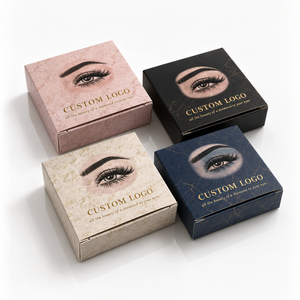
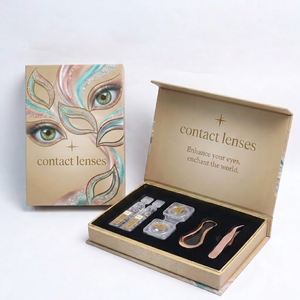
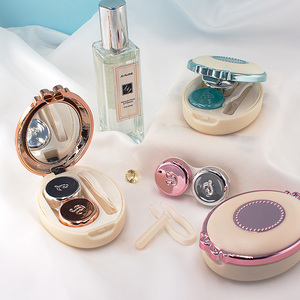
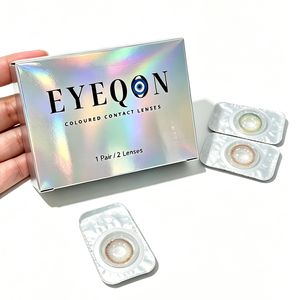
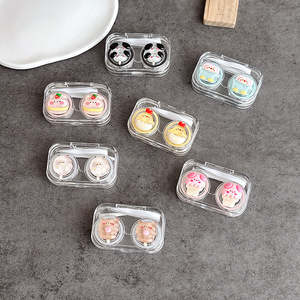
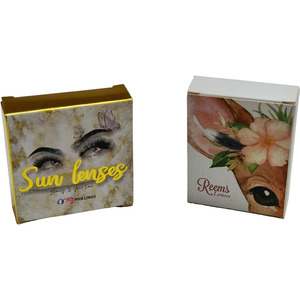
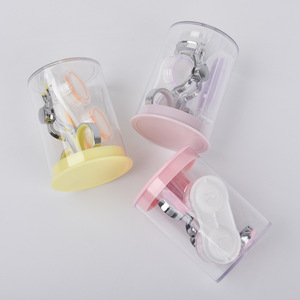
Explore our top-tier private label contact lens packaging solutions, wearing tool kits, and custom cosmetic cases designed to elevate your optical brand presence in competitive global markets.
Why Global Optical Brands Partner with Shenzhen Lensesgoo Co., Ltd
As a specialized B2B cosmetic contact lens OEM manufacturer and global exporter, we combine biomedical engineering precision with trend-forward aesthetic design. Our integrated supply chain supports optical importers, e-commerce brand owners, and medical device distributors worldwide.
Rigorous Medical Compliance
Full compliance with CE marking under European Medical Device Regulations (EU MDR) and ISO 13485:2016 quality management standards. Complete technical dossiers provided for registration in international markets.
Sandwich Coloration Tech
Patented micro-encapsulation sandwich technology inserts natural pigments securely between two clear Hydrogel layers. Pigments never directly touch corneal tissue, ensuring 100% safety and smooth wearability.
Agile OEM/ODM Capability
Flexible initial MOQ settings paired with comprehensive private label packaging options—including luxury gold-foil boxes, magnetic presentation cases, and custom Japanese-language labeling.
Navigating Technical Manufacturing Standards for Cosmetic Contact Lenses
Cosmetic colored contact lenses—often referred to as decorative or aesthetic contacts—are classified as Class IIa or Class IIb medical devices across primary international regulatory frameworks. B2B importers must look beyond raw aesthetic appeal to evaluate a manufacturer’s core polymer chemistry, cleanroom classification, and optical manufacturing repeatability.
1. Material Formulation & Oxygen Permeability Dynamics
The modern cosmetic contact lens relies heavily on advanced Poly-HEMA (Hydroxyethyl Methacrylate) hydrogel matrices and second-generation Silicone Hydrogel (SiHy) materials. The central engineering challenge in colored lens manufacturing lies in balancing high water content (typically 38% to 55%) with optimized Oxygen Transmissibility (Dk/t values).
When organic or inorganic pigment layers are introduced into a soft lens, improperly engineered color patterns can impede the flow of oxygen to the corneal epithelium, leading to hypoxia, eye redness, or discomfort. At Lensesgoo, our proprietary polymer formulations incorporate cross-linked hydrophilic monomers that maintain tear film stability, preventing protein deposition while delivering sustained physiological comfort throughout 8 to 12 hours of daily wear.
| Technical Parameter | Standard Hydrogel Range | Silicone Hydrogel (SiHy) Range | B2B Sourcing Significance |
|---|---|---|---|
| Water Content (%) | 38% – 45% | 45% – 55% | Higher water content boosts initial comfort; balanced formulation prevents lens dehydration. |
| Oxygen Transmissibility (Dk/t) | 15 – 25 Dk/t | 60 – 120+ Dk/t | Crucial for physiological safety, reducing corneal hypoxia during extended wear schedules. |
| Base Curve (BC) | 8.5mm – 8.6mm | 8.5mm – 8.7mm | Ensures stable centration over the pupil, preventing lens slippage and visual distortion. |
| Diameter (DIA) | 14.0mm – 14.5mm | 14.0mm – 14.8mm | Determines the coverage area and subtle eye-enlarging cosmetic effect (Graphic DIA). |
2. Sandwich Printing Technology vs. Surface Printing
A vital factor in evaluating cosmetic contact lens safety is the dye application methodology. Low-cost, non-certified manufacturers often apply color patterns using direct surface printing onto the finished lens. Over time, friction between the palpebral conjunctiva and the printed lens surface can lead to pigment leaching or mechanical abrasion.
Our state-of-the-art facility utilizes 3-Layer Micro-Encapsulation Sandwich Technology. In this automated cast-molding process, photolithographic color patterns are printed onto an initial hydrogel base layer before a secondary bio-compatible clear monomer coating is cast over the color pattern. Thermal polymerisation permanently seals the color pigments inside the lens body, guaranteeing that zero dye particles contact ocular tissue.
Global Procurement Trends & Future Product Development (2026–2030)
The global cosmetic contact lens market is undergoing rapid evolution driven by shifting consumer preferences, digital aesthetics, and heightened safety awareness among retail buyers. Strategic procurement directors must position their supply chains to capture emerging market demand.
Future Sourcing Trend A: High-Definition "Nuance" Patterns & Natural Iris Replication
Heavy, opaque, unnatural block colors are increasingly being replaced by multi-tonal "nuance" color designs. European and Asian cosmetic markets are seeing massive demand surges for subtle, multi-ring gradient patterns (such as greige, olive-hazel, ash brown, and translucent grey) that mimic the multi-layered depth of human iris micro-structures. B2B buyers should focus on OEM suppliers capable of high-resolution, multi-dot pad printing matrices that render seamless color blending.
Future Sourcing Trend B: Integration of Daily Disposable (1-Day) Formats
While monthly and annual disposable lenses remain strong in cost-conscious markets, the global retail sector is tilting heavily toward daily disposable cosmetic contacts. Driven by hygiene preferences and lifestyle convenience, daily disposables eliminate maintenance kits and lens cases entirely. OEM factories equipped with automated high-speed blister packing lines and terminal autoclave sterilisation are best positioned to serve high-volume daily disposable private label brands.
Future Sourcing Trend C: Eco-Friendly & Smart Private Label Packaging
Regulatory bodies and consumer watchdog groups are demanding plastic reduction in secondary packaging. The future of optical brand procurement lies in FSC-certified bio-degradable folding cartons, luxury rigid boxes made from recycled paper materials, and compact aluminum foil blister seals that minimize carbon footprints during air freight shipment.
CE Certification & Regulatory Dossier Support for Global Importers
Entering regulated markets such as the European Union (EU MDR 2017/745), Japan (PMD Act Class III device handling via local MAH), or Latin America requires extensive technical support from your manufacturing supplier. Shenzhen Lensesgoo Co., Ltd provides a complete suite of compliance documentation to accelerate your local registration workflow:
- CE Certificates & Declaration of Conformity (DoC): Full certification under official EU Notified Body oversight, permitting legal sale across European member states.
- ISO 13485:2016 Certification: Medical device quality management system certification covering raw material sourcing, production cleanroom maintenance, and lot traceability.
- ISO 10993 Biocompatibility Test Reports: Comprehensive laboratory data including Cytotoxicity Testing (ISO 10993-5), Ocular Irritation Testing (ISO 10993-10), and Systemic Toxicity Studies.
- Sterilisation & Shelf-Life Validation: Terminal steam autoclave sterilisation validation protocols according to ISO 17665, confirming a 5-year unopened shelf stability.
Frequently Asked Questions for B2B Importers & Brand Owners
Find authoritative answers regarding our OEM/ODM custom contact lens manufacturing capabilities, order flows, regulatory verification, and private label packaging options.
Ready to Build or Scale Your Private Label Contact Lens Line?
Connect directly with our senior OEM optical engineers and export specialists to request high-resolution product catalogs, physical trial samples, or custom manufacturing cost quotes.