High-Precision ODM Colored Contact Lens Showcase
Engineered via precision cast molding technology with full bio-encapsulated pigment layering, providing unmatched corneal comfort, vivid pigmentation, and stringent oxygen transmissibility.

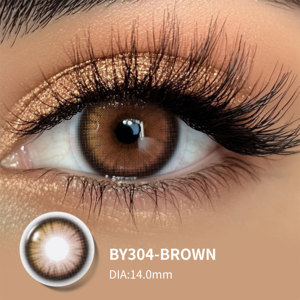
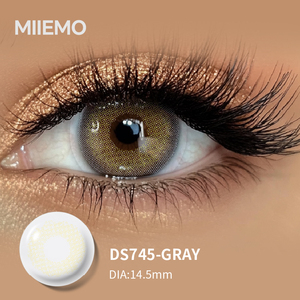
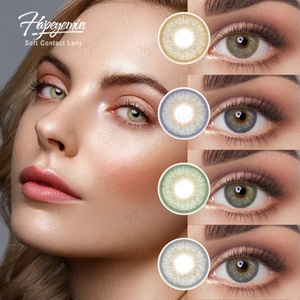
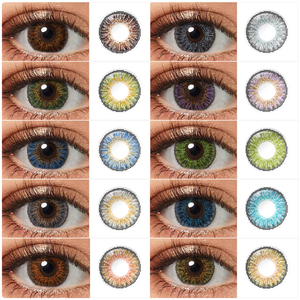
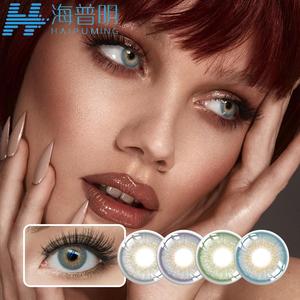
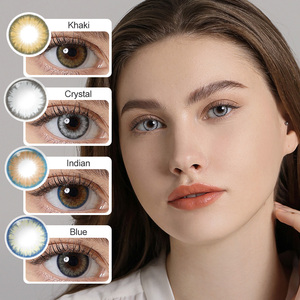
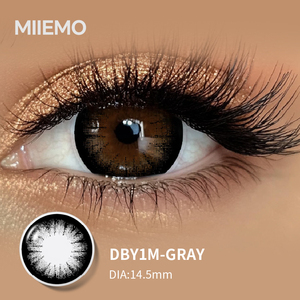
Why Tier-1 Global Distributors Partner With Our ODM Hub
Combining biomedical polymer research, automated cast-molding lines, and complete international compliance systems for end-to-end brand protection.
Proprietary Sandwich Encapsulation
Our micro-pigments are permanently locked between optical hydrogel layers. This ensures total bio-isolation, preventing color pigments from ever contacting the corneal epithelium or leaching into tear fluid.
Full-Scale Custom Packaging & Foiling
From single-use daily blisters to glass vials and bespoke foil-stamped carton enclosures, we produce compliant multilingual labeling customized for Japanese (PMD Act), European (CE MDR), and US FDA markets.
Agile Low MOQ & 7-Day Dispatch
We empower both disruptive direct-to-consumer (D2C) brands and heritage retail chains by offering flexible initial order runs, rapid catalog sample dispatch, and turnkey supply pipeline scalabilities.
The Engineering, Clinical Safety, and Global Economics of Modern Contact Lens Procurement
Biomaterial Formulation & Cast-Molding Excellence
The production of medical-grade cosmetic contact lenses is governed by rigorous mechanical and biochemical constraints. At our manufacturing facility, lenses are fabricated predominantly using high-grade Poly-HEMA (2-Hydroxyethyl methacrylate) and next-generation Silicone Hydrogel matrices. The physical equilibrium between water content (typically calibrated between 38% and 42%) and oxygen permeability (Dk/t) is critical: excessive hydration in standard hydrogels can paradoxically induce corneal dehydration over prolonged wear cycles, whereas inadequate water content impedes natural tear film turnover. By implementing precision double-sided cast-molding coupled with automated UV photopolymerization, we eliminate edge runout and asymmetric center thickness discrepancies, maintaining optical concentricity within sub-micron tolerances across all prescription powers (0.00D to -10.00D).
Color contact lens safety rests entirely on the integrity of the color layer. Traditional pad-printing techniques often placed colorant pigments near or directly upon the posterior lens surface, presenting friction hazards to the sensitive ocular surface. Our ODM production integrates advanced Full Sandwich Co-Extrusion. Through this proprietary method, the organic pigment layer is micro-encapsulated within a pure hydrogel substrate prior to final thermal curing. The resulting lens maintains a completely smooth surface profile, guaranteeing that the corneal surface encounters only pristine, bio-inert hydrogel polymers, thereby eliminating mechanical keratitis and pigment-related irritation risks.
Evolving Global Procurement Trends & Aesthetic Shifts
Procurement patterns across North America, Europe, and Asia-Pacific have shifted decisively over recent years. While the market historically prioritized dramatic aesthetic transformations—such as high-saturation solid blues and opaque greens—current consumer sentiment is dominated by "Hyper-Naturalism" and "Tonal Layering". In Japan, South Korea, and metropolitan Western hubs, consumers prefer subtle iris-enhancing designs. These feature dot-matrix gradient limbal rings, translucent mocha, ash-grey, and soft honey overtones that blend with the wearer's natural iris pattern rather than covering it completely.
Simultaneously, replacement modalities are accelerating toward shorter wear cycles. Daily disposable (1-Day) cosmetic lenses are recording substantial growth rates across premium retail and e-commerce platforms, driven by clinical recognition of daily freshness, non-preservative hygiene, and convenience. While monthly and annual replacement modalities remain stable across specific cosplay, theatrical FX, and budget-conscious segments, international brand houses are expanding their SKU allocations into daily blister packs. Importers and brand operators must strategically diversify their product portfolios, pairing high-margin annual and monthly cosmetic solutions with high-turnover, recurring-revenue daily lines.
Future Sourcing Directives & Regulatory Compliance Paradigms
Entering international contact lens distribution requires navigating complex regulatory landscapes. Contact lenses—whether corrective, cosmetic, or theatrical—are universally classified as Class II or Class III Medical Devices. In Japan, the Ministry of Health, Labour and Welfare (MHLW) enforces strict oversight under the PMD Act, mandating local Marketing Authorization Holders (MAH) and third-party inspection certifications. In the European Union, the transition to the Medical Device Regulation (EU MDR 2017/745) imposes stringent post-market clinical follow-up (PMCF) and chemical residue limits on extractables and leachables.
Consequently, successful wholesale sourcing requires shifting away from low-cost, unverified factories toward compliant, technologically auditable ODM partners. Forward-thinking distributors evaluate prospective suppliers not merely on FOB pricing, but on technical dossier readiness: ISO 13485:2016 quality management certification, cleanroom particle validation (Class 100,000 / ISO 8), cytotoxicity screening, and blister-pack seal integrity validation. Selecting a factory with integrated packaging, sterile blister production, and custom artwork support significantly shortens regulatory approval timelines and safeguards consumer safety.
Frequently Addressed Technical & Commercial Inquiries
Essential regulatory, logistic, and manufacturing questions answered by our engineering and international trade compliance teams.
How do you guarantee that colored contact lenses do not compromise corneal health?
Corneal safety relies on three pillars: advanced sandwich encapsulation technology that seals pigments safely away from ocular surfaces, optimized Dk/t oxygen transmissibility, and rounded edge configurations achieved through computer-controlled cast molding. Every batch undergoes strict cytotoxicity testing, microbial bioburden verification, and extractables screening to guarantee complete biocompatibility.
What documentation do you provide for regional medical device registrations?
As a dedicated ODM partner, we provide comprehensive technical dossiers to support your Marketing Authorization Holder (MAH) or local regulatory filings. This includes ISO 13485 certificates, sterilisation validation reports (EN 556), accelerated aging and real-time stability data, chemical leaching analysis, biocompatibility assays, and blister packaging integrity verification reports.
What is the standard production timeline for custom OEM/ODM packaging runs?
Catalog wholesale stock can be dispatched within 7 business days. For customized OEM private-label production—including bespoke blister foils, printed color boxes, and customized secondary packaging—lead times typically span approximately 20 to 25 days following proof approvals. Initial engineering runs for unique color dot designs or custom base curves vary depending on mold manufacture and trial mold validation.
Can emerging brands place low Minimum Order Quantity (MOQ) pilot runs?
Yes. We run an active SMB Growth Support initiative designed for emerging cosmetic startups and specialized retailers. We allow clients to mix and match catalog SKUs at low starting quantities. This allows distributors to evaluate market response, gather end-user feedback, and validate design appeal before committing substantial capital to high-volume manufacturing batches.
Ready to Scale Your Private Label Contact Lens Brand?
Connect directly with our engineering and procurement team for comprehensive product catalogs, technical validation dossiers, bespoke design consultations, or sample batch orders.