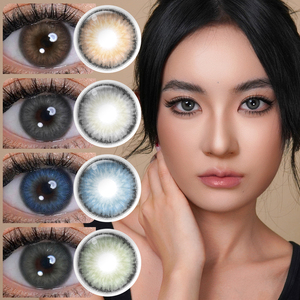
Engineered Precision: Flagship OEM & Wholesale Formats
Explore our top-tier export contact lenses and luxury private label custom packaging series, tested to comply with international biocompatibility standards and global medical device regulations.
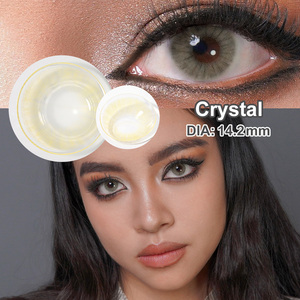
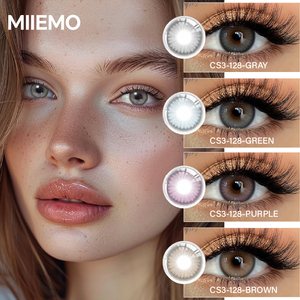
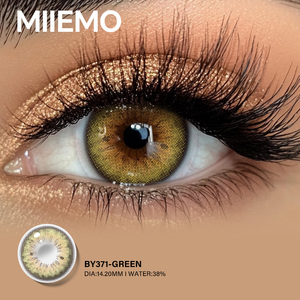
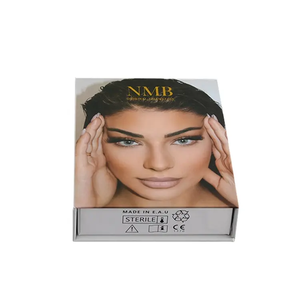
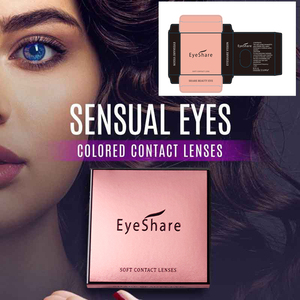
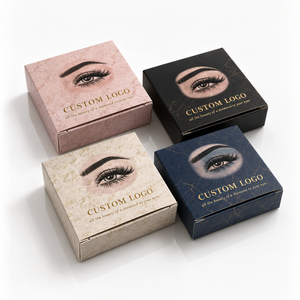
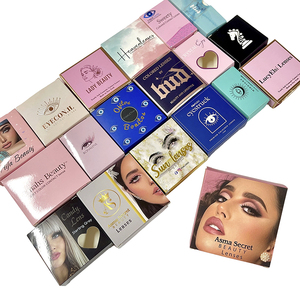
Engineering Superiority: The Science of Color Hydrogel Manufacturing
In the highly regulated optical device category, custom colored contact lenses require an uncompromising balance between ocular physiology, high-resolution micro-pigmentation, and hydrodynamic comfort. As a leading manufacturer based in China, our facility operates strictly under GMP-compliant cleanroom standards, utilizing high-speed cast molding systems that deliver unparalleled optical concentricity, ultra-smooth edge geometry, and dependable base curve consistency across high-volume production runs.
The core technological pillar of our manufacturing integrity is our proprietary Sandwich Encapsulation Matrix. Unlike inferior surface-tinting methods that allow direct contact between micro-colorants and the fragile corneal epithelium, our technology embeds color pigments within two bio-inert polymer layers of HEMA or Silicone Hydrogel. This structural entrapment ensures zero dye leaching, safeguards natural oxygen permeability (Dk/t), and minimizes the risk of giant papillary conjunctivitis (GPC) and surface friction wear.
Our Corporate Strengths & Factory Infrastructure
Our operation integrates the entire supply cycle—from raw hydrogel formulation and multi-tone optical print design to sterile blister packaging and turnkey packaging printing. Drawing from proven track records in the Japanese, North American, and European cosmetic lenses sectors, our production infrastructure is structured around four critical capabilities:
Precision Cast-Molding
Fully automated cast molding lines provide consistent edge lift, minimal center thickness variation, and uniform base curves (8.5mm - 8.6mm).
Biocompatible Pigments
Medical-grade US FDA-approved color additives structured in micro-dots ensure realistic ocular layering without compromising oxygen transfer.
Sterility Assurance
Terminal autoclaving at validated cycles guarantees sterility assurance levels (SAL 10⁻⁶) in high-barrier saline solution blisters.
Global Labeling Support
Dedicated prepress packaging lines provide localized multi-lingual documentation, barcode registration, and country-specific regulatory labeling.
Whether you require 14.0mm to 14.5mm natural enhancement graphic diameters, specialized cosplay and theatrical mini-sclera (17mm), or full sclera (22mm) custom orders, our factory provides stable physical parameters and strict cosmetic quality control at every lot release.
Future Procurement & Sourcing Trends in Colored Contact Lenses
B2B lens buyers, cosmetic brand incubators, and medical distributors are witnessing rapid shifts in consumer demand patterns and global regulatory scrutiny. Navigating the next sourcing cycle requires aligning procurement strategies with emerging structural trends:
1. Daily Disposable (1-Day) Dominance
While monthly and annual modalities remain cost-effective entry points for emerging markets, premium cosmetics and mature markets (Japan, Korea, US) are transitioning rapidly to Daily Disposable (1-Day) colored blisters. This shift prioritizes ocular hygiene, non-preservative comfort, and repeat recurring purchase cadences for brand owners.
2. High Dk Silicone Hydrogel Polymers
Procurement departments are upgrading catalogs from standard HEMA formulations to third-generation Silicone Hydrogel materials. Enhanced oxygen transmissibility allows longer wearing times without corneal hypoxia, meeting the hybrid requirements of modern consumers who demand cosmetic transformation coupled with all-day optical clarity.
3. Hyper-Natural 'Nuance' Dot Mapping
The cosmetic market has migrated away from harsh, blocky color stamps toward complex multi-layered dot patterns, translucent transitional limbal rings, and subtle ambient gradients (such as olive greige, ash mocha, and airy hazel). Importers seek manufacturers capable of micron-level printing resolution to achieve seamless organic iris integration.
4. Turnkey Retail & Unboxing Solutions
Sourcing teams are bundling secondary packaging with primary lens manufacturing. Integrated custom cardboard packaging, hot-foil embellishments, magnetic gift boxes, and companion sterile care accessory kits reduce freight duplication, lower supply chain overhead, and accelerate speed-to-shelf for direct-to-consumer (DTC) brands.
5. Strict Medical Regulatory Traceability
Regulatory authorities worldwide (such as Japan PMDA, US FDA, EU MDR) enforce rigorous oversight on color contact lenses as Class II or Class III medical devices. Buyers are prioritizing Chinese factories that offer complete technical dossiers, valid biocompatibility testing, stability verification, and audited production records over non-certified suppliers.
6. Agile SMB Growth Programs
The traditional requirement of astronomical minimum order quantities (MOQs) is yielding to flexible batch production. Forward-thinking manufacturers now empower emerging boutique brands and influencer lines with catalog mix-and-match capabilities, low pilot-order thresholds, and fast sample verification dispatching within days.
Frequently Asked Questions for Contact Lens Buyers
Critical insights on technical standards, order customization, lead times, and regulatory protocols.
What is the standard MOQ for private label custom orders?
For stock models and our existing verified catalog shades, we support emerging brands with low test MOQs, enabling mix-and-match across designs. For fully bespoke color prints, custom diameters, or dedicated packaging box printing, MOQ thresholds typically start at accessible pilot levels and scale efficiently up to large enterprise container loads.
How does your factory ensure the safety of color pigments?
We employ an isolated Sandwich Printing Process where cosmetic color pigments are hermetically encapsulated within the hydrogel material matrix. Pigments are thoroughly prevented from directly touching ocular tissue or the inner eyelid, completely eliminating ink detachment, leaching, or mechanical friction against the eye.
What production lead times should we anticipate for custom packaging?
Orders from our available catalog inventory ship within 7 business days. For customized OEM/ODM projects requiring bespoke primary packaging (vials/blisters), specialized outer carton print finishes, or localized regulatory copy, completion takes approximately 20 days following final artwork and technical specification approval.
Can you provide regulatory documentation for local medical device filings?
Yes. As a medical-grade contact lens manufacturer, we support our international brand partners and their designated Marketing Authorization Holders (MAH) with product specifications, stability test data, raw material MSDS, biocompatibility declarations, and quality control certificates required for local health authority compliance.
Do you support both cosmetic plano (0.00) and refractive power ranges?
Absolutely. In addition to plano cosmetic fashion lenses, our automated cast-molding systems manufacture accurate optical corrective diopter powers ranging from -0.50D to -8.00D (and up to -10.00D in designated series) with strict optical center alignments, ensuring sharp refractive correction alongside cosmetic iris enhancement.
Can we receive sample lenses prior to placing a full production order?
Yes. We encourage rigorous sample validation. We maintain extensive sample inventory of our core color styles, natural enlargement lines, and special FX theatrical lines. Samples can be prepared and dispatched quickly for internal evaluation, clinical trial fittings, and packaging alignment by your product development team.