Wholesale Cosmetic Contact Lenses & Optical Packaging Systems
Explore our laboratory-tested color hydrogel lens series and precision handling solutions. Engineered using sandwich encapsulation printing to eliminate pigment-cornea contact while maintaining superior oxygen transmissibility.
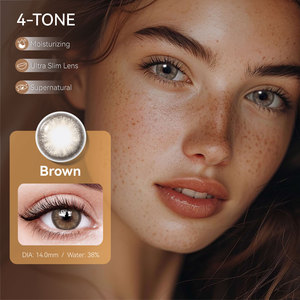
MIIEMO Fashion Contacts Lenses Manufacturer High Quality Factory Price
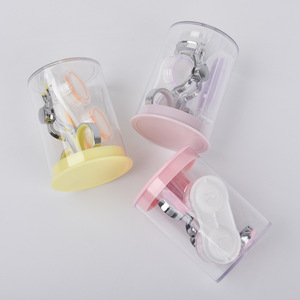
Wholesale Cosmetic Contact Lenses Wearing Tool Set With Mirror Case
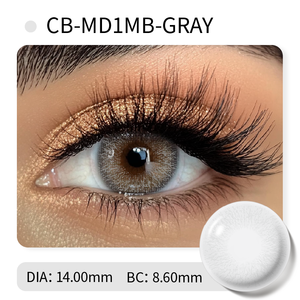
Hot Selling Colored Contact Lenses in Various Vibrant Colors
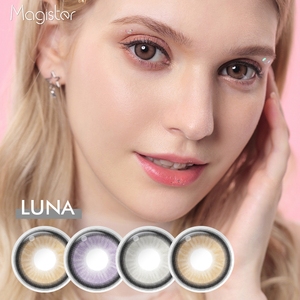
Magister Comfortable Fashion Colored Contact Lenses Lentes De Contacto
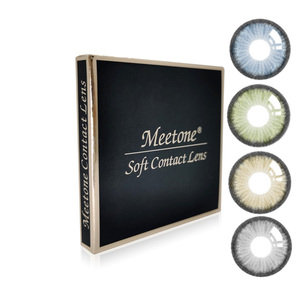
Private Label Meetone Soft Contact Lens Custom Packaging Box
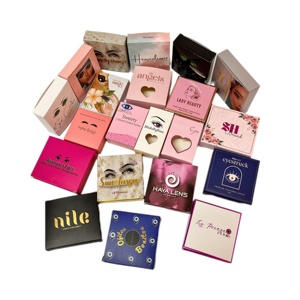
High Quality Natural Color Eye Lens Packaging Box Designer Collection
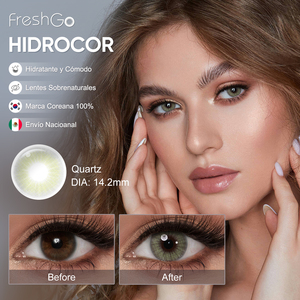
Freshgo Hidrocor Natural Power Contact Lenses with Correction
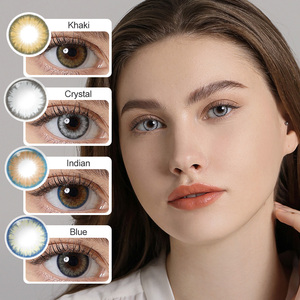
Hot PRO Freshgo 1-Year Colored Contact Lens Wholesale Eyes Lens
Enterprise Strengths: Scalable OEM, ODM & Private Label Governance
Shenzhen Lensesgoo Co., Ltd provides foreign brands, importers, and e-commerce leaders with integrated contact lens production. By merging research-driven optical engineering with rigorous GMP standards, we secure product reliability and regulatory passage across Tier-1 medical jurisdictions.
Full-Stack OEM & Private Label
We transform your branding concepts into retail-ready medical devices. We manage cast molding, primary blister/vial packaging, multi-language booklet printing, tamper-proof outer boxes, and barcode localization. Brands launching in Japan, the EU, or the Americas receive fully packaged inventory designed specifically for drugstore and clinic shelves.
Agile ODM & Iris Design Lab
Our in-house design studio engineers proprietary dot-matrix chromatic patterns tailored to regional aesthetic preferences. Whether engineering high-translucency soft nuance lenses for Tokyo or multi-tone opaque lenses for dark irises in Western and Middle Eastern markets, our micro-layering technology ensures realistic eye depth without optical distortion.
Class III Medical Device Compliance
Contact lenses are classified as high-risk medical devices (Class III under Japan's PMD Act, Class IIa under EU MDR 2017/745, and Class II 510(k) under US FDA). We supply comprehensive batch audit records, biocompatibility test results (ISO 10993 cytotoxicity and ocular irritation), stability verification data, and technical support to satisfy your local Marketing Authorization Holder (MAH).
Sandwich Micro-Encapsulation Safety
Corneal safety is non-negotiable. Our production lines use cleanroom cast molding to encapsulate bio-inert mineral pigment particles inside biocompatible hydrogel layers. This ensures zero reactive pigment touches the cornea or palpebral conjunctiva, preventing pigment leaching, corneal staining, and hypoxic abrasive distress.
7-Day Dispatch on Stock Inventory
For independent retailers, pharmacy chains, and cosmetic e-commerce stores, cash flow velocity depends on flexible supply lines. We maintain over 500,000 ready-to-ship blister units of our standard brands (Magister, Freshgo, Meetone, and MIIEMO), providing 7-day dispatch with no strict per-SKU minimum order constraints.
Costume, Theatrical & Sclera Specialization
Beyond standard cosmetic enhancements, our industrial capacity includes complex diameter configurations: 14.5mm dolly-eye prints, 17.0mm mini-sclera cosplay designs, and 22.0mm full-sclera SFX lenses for film and stage productions. Each custom diameter is formulated with rounded edge geometries to protect tear exchange during wear.
Cosmetic Lens Industry Trends: Material Science & Biomimicry
The cosmetic lens industry is shifting rapidly away from basic decorative accessories toward medical-grade ocular wellness products. Buyers must align their procurement cycles with three critical engineering transitions taking place across modern polymer laboratories.
Silicone Hydrogel (Si-Hy) Expansion
While traditional 2-HEMA/Polymacon lenses remain popular for yearly replacements due to stability and cost efficiency, international markets are shifting steadily toward Silicone Hydrogel. Introducing siloxane macromers creates fluorinated channels that boost oxygen transmissibility (Dk/t) from 15–20 up to 80–120. This allows extended wear, reduces corneal edema risks, and satisfies daily-disposable buyers who prioritize long-term eye health.
Integrated HEV & Class II UV Filters
Modern consumers expect dual cosmetic and ocular photoprotection. Production lines now integrate Class II UV absorbers into the polymer monomer matrix, blocking over 70% of UVA and 95% of UVB rays. High-energy visible (HEV) blue-light filtering monomers are also entering volume production, designed specifically for heavy smartphone and display users.
Micro-Dot Nuance Layering
The market for heavy, artificial limbal rings is declining in favor of biomimetic gradient styling. Next-generation designs use high-density, variable-droplet digital print heads that deposit pigment in micro-dot matrices down to 20 microns. This creates organic color transitions—such as olive-ash, hazel-greige, and slate-charcoal—that blend seamlessly into natural iris patterns.
Biocompatible Moisture Surface Treatments
Maintaining comfort during 12-hour wear requires reducing surface protein and lipid deposition. Factories are adopting plasma surface oxidation and phosphorylcholine (PC) copolymer coatings. These treatments create a hydrophilic barrier that keeps tear-film water contact angles under 25 degrees, preventing dryness and discomfort in air-conditioned environments.
Eco-Conscious Packaging Innovations
Driven by strict European environmental packaging directives, secondary contact lens packaging is evolving. Polypropylene blister cups are being re-engineered with 30% less plastic volume, complemented by recycled aluminum peel foils and FSC-certified soy-ink cartons. These updates help brands lower cross-border carbon border adjustment liabilities.
Precision Toric Cosmetic Geometries
Historically, colored lenses served primarily plano (0.00D) or basic spherical myopia markets. Today, back-surface cast toric designs with prism ballasting or thin-zone stabilization are expanding wholesale availability. This allows brands to reach the growing consumer demographic with astigmatism.
Global B2B Procurement Intelligence: Strategic Supplier Sourcing
Navigating cross-border medical device supply chains requires disciplined risk management. To stay competitive, optical brand managers, distributor purchasing teams, and pharmaceutical buyers are standardizing on several core procurement practices.
1. Dynamic SKU Rationalization (70/30 Rule)
Leading cosmetic lens importers avoid excessive capital commitment across slow-moving shades by adopting a 70/30 inventory split. They order 70% of inventory in proven, high-turnover shades (natural hazel, chocolate brown, soft charcoal) packaged in 10-pack daily or 2-pack monthly formats. The remaining 30% is allocated to bold seasonal, cosplay, or theatrical SKUs sourced under flexible low-MOQ programs to test local demand.
2. Direct MAH-to-Factory Technical Integration
Relying on intermediary trading companies can cause major delays during regulatory document audits. Experienced distributors connect their local regulatory teams directly with factory quality engineers. By managing ISO 13485 audits, device master files (DMF), sterilization validations, and change-control protocols directly with the manufacturer, brands clear customs swiftly and avoid shipment rejections.
3. Near-Point Packaging Customization
Global fulfillment efficiency is driving a shift toward unprinted sterile blister inventory combined with localized secondary packaging. Importers source standardized, pre-sterilized contact lens blisters in volume from China, then pair them with localized outer cartons, regional product leaflets, and translated safety labels close to target markets. This preserves agility across multi-language sales channels.
| Material Class | Polymer Base | Water Ratio | Oxygen (Dk/t) | Target Modulus (MPa) | Primary Clinical Application | Manufacturing Mode |
|---|---|---|---|---|---|---|
| Standard Hydrogel | Polymacon / PolyHema | 38% - 42% | 15 - 22 | 0.50 - 0.70 | Cost-effective cosmetic, FX, 1-year wear | Precision Cast Molding |
| Mid-Water Hydrogel | Etafilcon A / Omafilcon | 55% - 58% | 25 - 33 | 0.30 - 0.45 | Daily disposable beauty, sensitive eyes | Fully Automated Wet Molding |
| Silicone Hydrogel | Filcon II 3 / Senofilcon | 38% - 48% | 85 - 130 | 0.70 - 0.90 | Extended wear, high-breathability retail | Dual-Cure Cast Polymerization |
| Rigid Sclera Matrix | Fluorosilicone Acrylate | < 1% | 100 - 140 | 1.20 - 1.50 | 17mm Mini & 22mm Theatrical SFX | Precision Lathe Cutting & Polishing |
B2B Procurement FAQs: Global Compliance, Production & Supply Chain
Key answers to common legal, logistical, and technical questions asked by cross-border buyers, optical directors, and commercial importers.
Launch or Scale Your Cosmetic Contact Lens Brand
Partner directly with Shenzhen Lensesgoo Co., Ltd for factory-direct wholesale pricing, OEM packaging customization, and complete medical compliance documentation. Our team is ready to evaluate your sample requests and commercial volume requirements.