Engineered Cosmetic & Corrective Lens Formulations
Explore our top wholesale configurations spanning corrective myopia, natural nuance cosmetics, high-transmissibility toric optics, and bespoke packaging systems manufactured under rigorous ISO 13485 cleanroom controls.
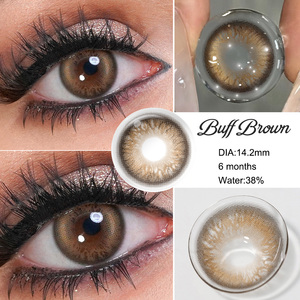
Free Sample MAGISTER Contact Lenses Prescription Colored Contacts Myopia
View Specification →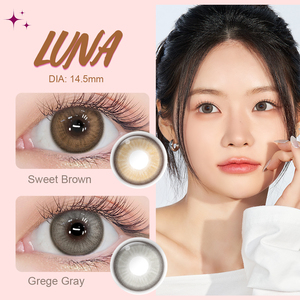
Free Shipping Magister LUNA Contact Lenses Natural Eye Lens 14.5 Colored
View Specification →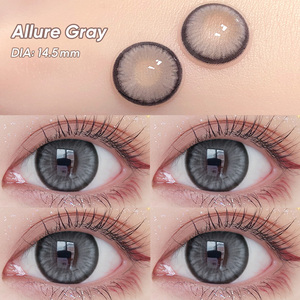
Hot Magister Lenses Contact Prescription Contact Lenses Comfortable Eye Lens
View Specification →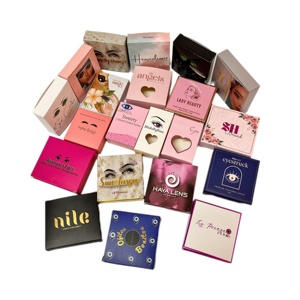
High Quality Wholesale Natural Color Eye Lens Packaging Box New Design
View Specification →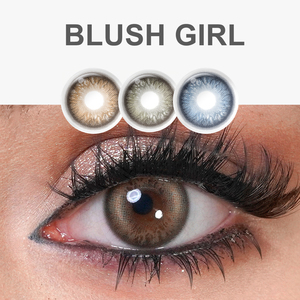
Fresh New Look Colored Contact Magister Wholesale Colored Contact Lenses Soft
View Specification →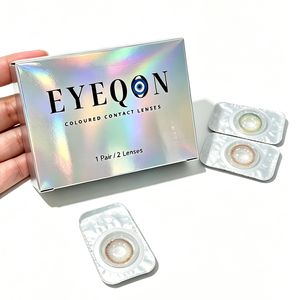
Colorful Fashion Custom Foldable Contact Lens Paper Boxes with Window Cutout
View Specification →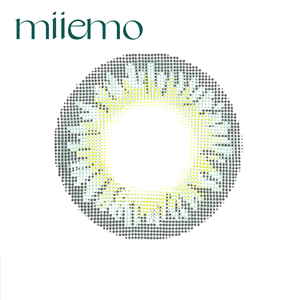
Astigmatism Corrective Contact Lenses for Precise Vision and All-Day Comfort
View Specification →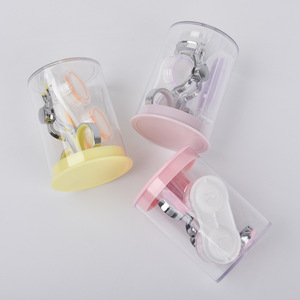
New Style Wholesale Cosmetic Contact Lenses Wearing Tool Set Contact Lenses Case
View Specification →Why Global Importers & Brands Partner with Lensesgoo
As a recognized pioneer in ophthalmic lens molding and contract manufacturing headquartered in Shenzhen, Shenzhen Lensesgoo Co., Ltd bridge the gap between high-volume automated throughput and bespoke design flexibility.
Regulatory Compliance & MAH Support
Navigating Class III medical device regulations requires absolute technical precision. We furnish full documentation packages (biocompatibility, cytotoxicity ISO 10993, stability data, sterilization validation) specifically tailored for Japanese Marketing Authorization Holders (MAH), EU CE MDR, and global health authorities.
Rapid Supply Chain Execution
We mitigate stockouts and lower inventory holding costs. In-house brand orders dispatch within 7 days from our comprehensive warehouse stock. Full OEM/ODM custom brand cycles—including bespoke blister foil heat-sealing and packaging fabrication—are accomplished in approximately 20 days.
Proprietary Color Encapsulation
Our micro-sandwich cast printing embeds bio-inert cosmetic pigments entirely between two breathable polymer layers. No color particle ever contacts the corneal epithelium or palpebral conjunctiva, guaranteeing ocular safety, exceptional color fidelity, and sustained ocular health.
SMB Growth & Low-MOQ Flexibility
Emerging optical ventures and boutique cosmetic brands scale seamlessly through our tiered incubator programs. Mix and match diverse SKUs—including natural cosmetic, 17mm mini-sclera, and theatrical FX lenses—to test localized market sentiment before allocating capital to massive volume runs.
Global Sourcing & Procurement Trends: 2026–2030
Strategic analysis for chief procurement officers and optical category buyers managing cross-border supply chain risks, regulatory compliance, and margin sustainability.
1. The Transition from Hydrogel to High-Dk Silicone Hydrogel Cosmetics
For decades, traditional polyHEMA hydrogel polymers dominated the cosmetic lens sector due to their superior wettability, low modulus, and ease of tint encapsulation. However, modern procurement portfolios are aggressively pivoting toward third-generation Silicone Hydrogel (SiHy) platforms.
International regulatory authorities and optometrists are emphasizing corneal oxygen transmissibility (Dk/t values > 60). Historically, incorporating hydrophobic silicone monomer matrices complicated pigment adhesion. Modern contract manufacturing breakthroughs—such as plasma surface modification and nanoscale interpenetrating polymer networks (IPNs)—now allow vibrant multi-tone coloration on silicone lenses without increasing surface lipid deposition or compromising wettability.
- 3x Higher Oxygen Transmissibility
- Reduced Corneal Hypoxia Risks
- Plasma Treated Wettability Layers
- Compliance with Tightened MDR Guidance
2. Mandatory UDI Traceability & Digital Supply Audits
Global medical device frameworks—including the US FDA GUDID, European EUDAMED, and Japanese PMD Act—now mandate complete Unique Device Identification (UDI) down to secondary packaging units. Modern procurement leaders must choose manufacturers capable of generating verifiable GS1 DataMatrix barcodes, direct batch validation records, and digital audit trails to eliminate border customs friction and expedite regional market clearance.
3. Agility Over Massive Minimum Order Quantities (MOQs)
The rapid cycle of social media beauty trends (from Douyin aesthetic "fairy eyes" to Western cosplay conventions) has rendered traditional 50,000-unit rigid MOQs obsolete. High-performing brand managers are prioritizing OEM/ODM manufacturers capable of hybrid inventory replenishment: sustaining semi-finished sterile blister hubs and offering rapid localized box packaging on demand to mitigate dead-stock inventory exposure.
4. Sustainable Biodegradable Packaging Formats
With millions of single-use daily contact lens blisters discarded globally, environmental compliance is moving from corporate social responsibility (CSR) to commercial prerequisite. Sourcing roadmaps prioritize recyclable polypropylene (PP) blister tubs, optimized aluminum foil sealing films that consume 25% less raw material, and FSC-certified soy-ink printed outer sleeves to satisfy Gen Z consumer demands.
Technological Innovations Driving Next-Gen Contact Lenses
From optical aberration control to biomimetic moisture locking, explore how cutting-edge R&D transforms contact lenses from basic corrective plastic into high-performance ophthalmic devices.
Dual-Chamber Cast Molding Precision
Moving beyond older spin-casting and mechanical lathe-cutting methods, automated full-cast molding integrates sub-micron optical tooling inserts. This ensures precise edge-apex positioning, consistent base curve uniformity (±0.02mm), and reproducible center thickness to eradicate irregular astigmatic distortion.
Biomimetic HA Moisture Interpenetration
End-user dropout in cosmetic and corrective contact lenses is predominantly triggered by end-of-day dryness. Next-gen manufacturing leverages 2-Methacryloyloxyethyl phosphorylcholine (MPC) and cross-linked Sodium Hyaluronate (HA) lock matrices inside the hydrogel mesh, keeping water bound across extended wear cycles.
High-Definition Pupil Transition Graphics
Traditional colored lenses often suffer from the "tunnel vision" effect or artificial pixelation. Through high-density digital micro-dot matrix printing, modern ODM collections introduce graduated radial feathering that seamlessly mirrors natural stromal iris architecture across varied lighting situations.
Frequently Asked B2B Sourcing Questions
Detailed answers concerning international regulatory pathways, quality assurance protocols, manufacturing parameters, and supply chain logistics.
How are cosmetic and corrective contact lenses classified and regulated internationally?
What is the difference between OEM and ODM engagement models for contact lenses?
What quality control inspection standards are implemented during production?
What are your standard Minimum Order Quantities (MOQs) and production lead times?
How do you support Japanese retail packaging and PMDA regulatory compliance?
Empower Your Contact Lens Brand with Factory-Direct Excellence
Request our comprehensive 2026 OEM/ODM product catalog, physical sample swatches, or initiate custom formulation consultation with our clinical optical engineering team.