Factory-Direct Optical & Cosmetic Packaging Solutions
Examine our top-tier manufacturing lines spanning high-precision optical transducers, soft cosmetic contact lenses with custom branding, and export-grade pharmaceutical packaging engineered for Japanese and global retailers.
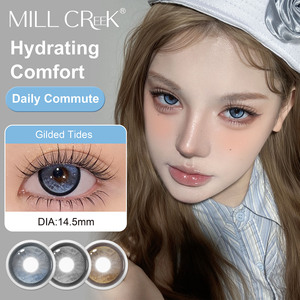
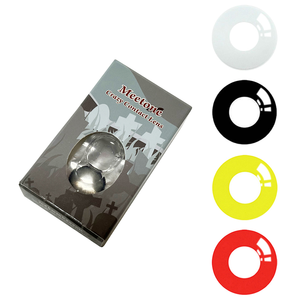
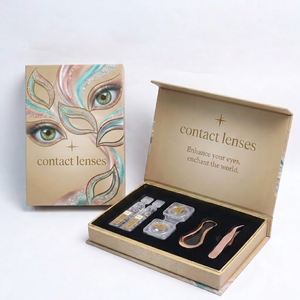
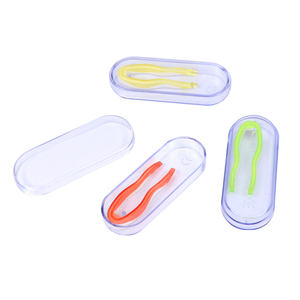
The Guangzhou & Greater Bay Area Optical Belt: Strategic Sourcing Hub for Global Contact Lenses
In the global optometric manufacturing landscape, Southern China's Pearl River Delta—specifically the integrated industrial corridor connecting Guangzhou, Shenzhen, and Dongguan—has evolved into the undisputed epicentre for cosmetic (カラーコンタクトレンズ / カラコン) and corrective soft contact lens production. While traditional ophthalmic polymer engineering historically centered in Taiwan, the UK, and the United States, Guangdong's precision manufacturing infrastructure has transformed contact lens fabrication from a manual lathe-cutting craft into an automated, high-throughput, micro-precision cast-molding industry. Today, international brand owners, licensed distributors, and cross-border e-commerce powerhouses leverage Guangzhou manufacturers and specialized Shenzhen supply chain integrators like Shenzhen Lensesgoo Co., Ltd to capture market share with speed, technical agility, and uncompromised regulatory safety.
When evaluating the Top 10 contact lens factories in Guangzhou and Guangdong province, commercial procurement directors must transcend superficial metrics like unit price. Contact lenses are classified internationally as Class III (or Class IIb under EU MDR) Highly Controlled Medical Devices. Whether importing into Tokyo under Japan’s rigorous PMDA (Pharmaceuticals and Medical Devices Act) framework, into North America under FDA 510(k) premarket clearance, or into Europe following ISO 13485:2016 quality management standards, supplier qualification requires forensic verification of raw polymer biocompatibility, oxygen permeability coefficients (Dk and Dk/t), edge-profile geometry, and colorant encapsulation integrity.
Comprehensive Technical Comparison Matrix: Top 10 Manufacturing Clusters
Below is an institutional analysis benchmarking the top optical fabrication centers operating across the Guangzhou, Shenzhen, and Foshan manufacturing clusters, detailing material formulations, molding technologies, regulatory dossiers, and typical export capacity.
| Manufacturer Cluster / Facility Hub | Primary Polymer Formulations | Casting & Printing Tech | Dk/t Range (Oxygen Flux) | Regulatory Certifications | Minimum Order Quantity (MOQ) | Primary Market Footprint |
|---|---|---|---|---|---|---|
| Lensesgoo Optical (Shenzhen / GBA HQ) | PolyHEMA, Hydrogel-HA, Silicone Hydrogel | Fully Automated Cast Molding, Dual-Layer Sandwich Entrapment | 28 - 110 Barrers/cm | CE MDR, ISO 13485, PMDA-ready MAH technical dossier | 50 pairs (Catalog) / 1,000 pairs (Custom OEM) | Japan (カラコン), EU, North America, Southeast Asia |
| Guangzhou Huadu Optical Park Facility | Conventional PolyHEMA (38%-42% Water) | Cast Molding, Pad-Transfer Printing | 18 - 25 Barrers/cm | NMPA Class III, ISO 13485 | 5,000 pairs per SKU | Domestic China, CIS Countries, Middle East |
| Shenzhen Pingshan Bio-Medical Cluster Hub | High-Dk Silicone Hydrogel (Lotrafilcon derivative) | Multi-axis CNC Lathe-cut & Cast Hybrid | 85 - 135 Barrers/cm | FDA 510(k), CE 0123, ISO 13485 | 10,000 pairs per SKU | US Optometry Chains, European Private Labels |
| Guangzhou Baiyun Cosmetic Optical Hub | HEMA-EGDMA Hydrogel (55% High Water) | Single-side Cast Molding with Inkjet Matrix | 22 - 28 Barrers/cm | NMPA, CE Mark | 3,000 pairs per SKU | Domestic E-commerce, Latin America, Southeast Asia |
| Dongguan Precision Polymer Molding Lab | Phosphorylcholine (MPC) Hydrogel Hybrids | Micro-Cavity Cast Molding, Laser Curing | 35 - 55 Barrers/cm | ISO 13485, Korean MFDS, PMDA-ready | 2,500 pairs per SKU | South Korea, Japan, Hong Kong |
| Foshan Nanhai Ophthalmic Instruments Center | Rigid Gas Permeable (RGP), Ortho-K Blanks | Sub-micron Precision Diamond Turning | 100 - 160 Barrers/cm | NMPA Class III, ISO 13485 | 500 pairs (Custom Rx) | Clinical Ophthalmology, Pediatric Myopia Control |
| Guangzhou Huangpu High-Tech Bio-Park | Nanocomposite Hydrogels, HA-Infused | Robotic Automated Mold In-Line Assembly | 30 - 45 Barrers/cm | CE MDR, ISO 13485, NMPA | 5,000 pairs per SKU | Medical Device Distributors, Global Pharma Brands |
| Shenzhen Bao'an Special-FX & Sclera Studio | PolyHEMA, Rigid-Flex Cosplay Formulations | Semi-Cast Molding, Custom Hand-Painted & Screen Cast | 20 - 30 Barrers/cm | CE Mark, ISO 13485 | 100 pairs (17mm/22mm Sclera) | Theatrical SFX, Global Anime & Cosplay Retailers |
| Zhongshan Precision Optics Manufacturing | Standard Soft Hydrogel (Polymacon 38%) | Continuous Spin-Casting Lines | 16 - 22 Barrers/cm | ISO 9001, NMPA Class III | 10,000 pairs | Institutional Bulk Wholesalers, Tender Supplies |
| Guangzhou Conghua Cleanroom Production Base | Hydrophilic Cross-Linked Methacrylates | Wet Cast Molding, Terminal Steam Autoclaving | 24 - 32 Barrers/cm | ISO 13485, CE | 4,000 pairs per SKU | Global Fast-Fashion Cosmetic Brands |
Key Factors When Sourcing from Guangzhou & South China Optical Hubs
To build a resilient and legally bulletproof contact lens line, international brand owners must scrutinize four critical manufacturing and regulatory pillars before executing supplier contracts:
Sandwich Dye Encapsulation
Never compromise on color technology. Top Guangzhou factories utilize cast-molding sandwich technology, encapsulating organic pigments inside two micro-thin hydrogel layers so color never contacts the corneal epithelium.
Dk/t & Corneal Respiration
Corneal edema occurs if oxygen flux drops below critical thresholds. For daily cosmetic lenses, maintaining Dk/t above 24 Barrers/cm (Holden-Mertz criterion) ensures comfort and prevents microcystic proliferation.
Class III Regulatory Clearance
Verify that your manufacturer’s cleanroom maintains ISO Class 7/8 (Class 100,000) air filtration, 100% automated optical inspection (AOI) for edge burrs, and ISO 13485:2016 audited quality control management.
MAH & PMDA Dossier Support
Exporting to Japan requires full technical files (STED) submitted via your Marketing Authorization Holder (MAH). Lensesgoo supplies full stability studies, extractables data, and sterilization cycle validations.
Nuance Dot-Matrix Aesthetics
The modern Asian and European beauty consumer demands subtle 'nuance' eye enlargement. Advanced plate engraving provides micro-dots under 15 microns, replicating authentic human iris striations without harsh pixelation.
Agile GBA Supply Logistics
Guangzhou and Shenzhen airports operate direct cargo freighters worldwide. Stock items dispatch within 7 days, and custom OEM runs complete in 20 days—reducing transit holding costs for cross-border retailers.
Detailed Profiles: Leading Manufacturers in the South China Optical Hub
To understand the competitive differentiation across South China, we profile the prominent operating models and capabilities of leading manufacturing and distribution powerhouses serving international B2B buyers:
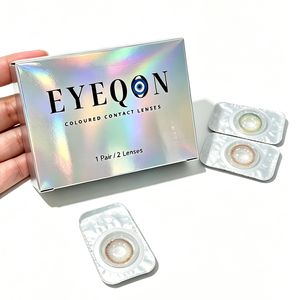
Operating as an elite bridge between GBA manufacturing muscle and exacting international markets, Lensesgoo specializes in low-MOQ rapid catalog sampling alongside high-volume OEM private-label manufacturing. Renowned for its natural nuance series, 17mm mini-sclera, and 22mm full-theatrical lenses, Lensesgoo provides complete downstream packaging integration (folding boxes, luxury magnetic unboxing sets, and blister sealing) with full regulatory dossier facilitation.
A heavyweight in automated cast molding, this facility operates 16 continuous lines producing standard clear corrective lenses and basic cosmetic lenses. Ideal for institutional mass buyers, hospital tenders, and pharmacy chains seeking rock-bottom unit costs at minimum runs of 10,000 to 50,000 units per power increment.
Specializing in high-Dk silicone-hydrogel co-polymer formulations, Pingshan Bio-Polymer focuses on clinical daily wear lenses for severe astigmatism and extended wear. Their cleanrooms maintain rigorous ISO Class 5 filling zones and advanced plasma surface-treatment technologies to overcome lipid adhesion issues common in silicone matrices.
Positioned at the center of Guangzhou’s world-famous cosmetics trading zone, this group integrates lens production with exquisite custom packaging boxes, window cartons, and compact cosmetic travel cases. They excel at aligning quarterly color contact lens trends with seasonal makeup palettes.
Serving as the tool-and-die backbone of the Pearl River Delta optical industry, Dongguan Ophthalmic designs and machines ultra-precise quartz and steel molds for contact lens casting. Their micron-accurate tooling eliminates edge burrs, substantially improving first-time blink comfort and reducing tear-breakup time (TBUT).
Utilizing sub-micron precision diamond turning machines, Foshan Nanhai specializes in custom parameters: extreme astigmatic cylinder powers, aphakic corrections, and custom base curves (8.2mm to 9.0mm) for irregular corneas, serving specialized optometry practices and medical supply groups.
Focused on advanced ophthalmic therapeutics, Huangpu Biomedical conducts advanced research into moisturizing hyaluronic-acid sustained-release polymers and therapeutic bandage contact lenses used for post-LASIK and photorefractive keratectomy corneal wound recovery.
A niche powerhouse dedicated entirely to stage, film, anime conventions, and Halloween cosmetic lenses. Their artisans combine pad printing with custom micro-airbrushing techniques, producing full white-out, blackout, vampire, and anime iris designs while strictly adhering to terminal sterilization protocols.
Equipped with German blister packing machinery, Zhongshan Polymer packages up to 200,000 foils per shift. Their peelable aluminum foils withstand 121°C terminal steam sterilization for 30 minutes without micro-delamination, guaranteeing a 5-year hermetic shelf life.
This specialized facility acts as a regional validation center for pyrogenicity testing, microbial bioburden analysis, cytotoxicity screening, and accelerated shelf-life studies ensuring contact lens batches meet ISO 10993 biocompatibility requirements before international export.
Procurement Trends: What Global Brand Buyers Must Anticipate (2026–2030)
The contact lens sector is undergoing tectonic shifts driven by ocular health awareness, digital screen fatigue, and social media beauty aesthetics. Importers and wholesalers who align their procurement strategies with these developments will capture significant market share:
1. Decisive Migration from Annual to Daily Disposable (1-Day) Formats: In mature optical markets like Japan and Western Europe, daily disposables now command over 75% of sales volume. Buyers are eliminating the compliance and microbial infection risks of lens cases and enzymatic cleaners. Guangzhou factories are aggressively re-tooling production lines to achieve the sub-cent manufacturing efficiencies needed for profitable 10-pack and 30-pack daily retail offerings.
2. Next-Gen Silicone Hydrogel Color Formulation: Historically, colored lenses were manufactured using standard PolyHEMA due to difficulties bonding pigments within hydrophobic silicone blocks. Groundbreaking cast-molding technologies now enable high oxygen permeability (Dk/t > 80) in colored lenses, allowing brands to market cosmetic products with all-day breathability and zero corneal hypoxia.
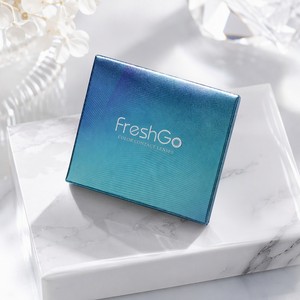
3. Omnichannel Unboxing UX & Sustainable Blister Packaging: With contact lenses becoming prominent beauty lifestyle products on platforms like TikTok and Instagram, unboxing presentation is paramount. Procurement directors are pairing sterile blister packs with custom art-paper magnetic folding boxes, velvet inserts, and recyclable PP blisters, elevating perceived retail value from $15 up to $50 per set.
4. Agile Micro-Batch Sourcing for Cross-Border E-Commerce: Traditional minimums of 10,000 units per color are obsolete for agile direct-to-consumer (DTC) brands. Factory aggregators like Lensesgoo provide low-MOQ mix-and-match programs with dispatch in 7 days, allowing dynamic testing of up to 20 nuance color variants before committing to volume mass-runs.
Product Development & Polymer Material Evolution
Engineering next-generation soft contact lenses requires balancing three physical parameters: Water Content, Modulus of Elasticity, and Oxygen Transmissibility (Dk/t).
| Material Classification | Common Monomers | Water Content (%) | Modulus (MPa) | Wettability / Comfort Profile | Optimal Consumer Application |
|---|---|---|---|---|---|
| Group I (Low Water, Non-Ionic) | Tefilcon, Polymacon (HEMA) | 35% - 40% | 0.5 - 0.7 | High stability, resistant to protein deposits | Cost-effective annual and monthly cosmetic wear |
| Group II (High Water, Non-Ionic) | Filcon II 2, Omafilcon (HEMA + PC) | 55% - 65% | 0.3 - 0.4 | Ultra-soft initial comfort; prone to tear drying | Daily disposable lenses for sensitive eyes |
| Group IV (High Water, Ionic) | Etafilcon A, Methafilcon | 58% | 0.3 | High flexibility; higher lipid deposit affinity | Standard daily disposables with UV blockers |
| Group V (Silicone Hydrogel) | Lotrafilcon, Comfilcon, Balafilcon | 33% - 48% | 0.8 - 1.2 | Maximum oxygen breathability; requires surface wetting agents | Premium 1-Day & 30-Day continuous wear |
Modern Guangzhou research laboratories are tackling the surface wettability challenge of silicone hydrogels by grafting Phosphorylcholine (MPC) and interpenetrating networks of Sodium Hyaluronate (HA) directly into the polymer matrix. This creates a biocompatible hydration cushion that mimics the natural mucin layer of the human tear film, virtually eliminating end-of-day dryness symptoms for wearers working under dry air-conditioned or digital display conditions.
B2B Contact Lens Sourcing FAQ: Strategic Solutions for Global Buyers
Navigating cross-border medical device compliance and factory production requires concrete clarity. Below are direct answers to the most frequent technical, regulatory, and supply chain queries raised by procurement teams:
We employ an automated cast-molding sandwich (dye-lock) technology. Inorganic pharmaceutical-grade colorants (titanium dioxide, iron oxides, phthalocyanine) are cast directly between internal and external hydrogel polymer layers. Zero pigment resides on either lens surface, verified by wipe tests and ISO 10993 cytotoxicity and ocular irritation assays.
Under Japan’s PMD Act, cosmetic color lenses are Class III medical devices. While your domestic Marketing Authorization Holder (MAH) files the product approval, Shenzhen Lensesgoo Co., Ltd provides the complete manufacturing dossier: sterilization validation records, biocompatibility test results, raw material physical properties, and continuous aging stability data.
For existing brand stock held in our Shenzhen logistics warehouse, buyers can mix and match styles with an accessible starting MOQ of just 50 pairs. For full custom OEM/ODM projects (custom iris graphics, bespoke base curve/diameter, and private-label printed boxes), minimum runs start at 1,000 pairs per design.
Catalog in-stock orders ship within 7 business days via air express. Custom private-label projects—including box printing, foil stamping, cleanroom casting, blister packing, and terminal autoclaving—typically complete within 20 to 25 business days following final artwork approval.
Yes. We are one of the specialized manufacturers equipped with large-diameter cast molds and precision lathe tooling capable of stabilizing 17mm and 22mm sclera geometries without corneal impingement, widely distributed to cosplay, theatrical, and Halloween supply networks globally.
Absolutely. Our in-house packaging division prints pharmaceutical folding boxes, package inserts, and barcode blister foils directly from your localized vector artwork (Japanese, English, Spanish, Arabic, etc.), ensuring full compliance with local consumer labeling regulations.
Every blister and glass vial undergoes terminal moist-heat steam sterilization at 121°C (250°F) for at least 20 minutes under a validated Sterility Assurance Level (SAL) of 10⁻⁶, fully conforming to ISO 17665 standards for ophthalmic healthcare devices.
Yes. We routinely prepare pre-production sampling kits across our natural, cosplay, and prescription lines. Samples are drawn directly from active production runs and air-shipped to your testing facility, MAH agent, or optometric review board.
Enterprise Core Competencies: Why Partner with Lensesgoo
Headquartered in the heart of the Greater Bay Area optical technology corridor, Shenzhen Lensesgoo Co., Ltd eliminates the traditional barriers between Asian factory floors and global optical retailers. Rather than forcing clients into rigid mass-production runs, we offer an agile, vertically integrated manufacturing ecosystem:
End-to-End Packaging Integration
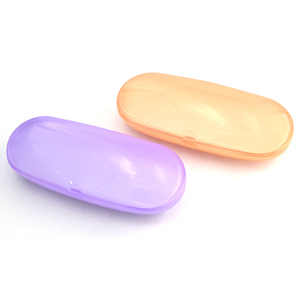
From foldable paper window boxes and rigid magnetic luxury presentation kits to CE-marked lens cases and 10ml lubricating drops, we provide complete, retail-ready SKU sets under one accountable roof.
Rapid Market Testing Engine
Our proprietary warehouse system maintains over 500 verified iris patterns in stock. Test the waters with small mix-and-match trial orders before committing capital to customized high-volume runs.
Dedicated Japan & Western Desk
Our bilingual technical sales and regulatory documentation engineers specialize in PMDA, FDA, and CE frameworks, preventing customs delays, labeling rejections, and commercial misunderstandings.
Accelerate Your Contact Lens Brand with Factory-Direct Manufacturing
Whether you are developing an original natural cosmetic line for Japanese drugstores, launching theatrical cosplay lenses, or requiring complete OEM blister and luxury box packaging, our engineering team is ready to assist with samples, technical dossiers, and volume pricing.