Featured Aesthetic & Optical Contact Lens Solutions
Engineered for optical retailers, cosmetic beauty brands, and specialty optical distributors. Review our catalog lines below or connect directly with our engineering department for OEM specifications.
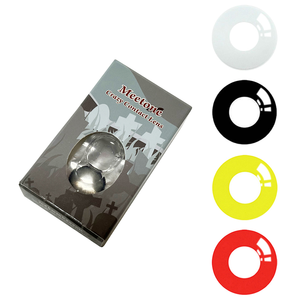
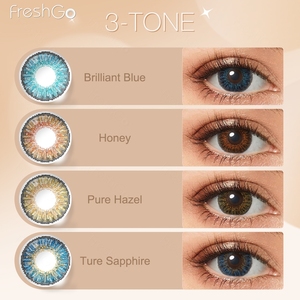
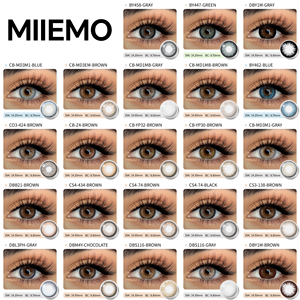
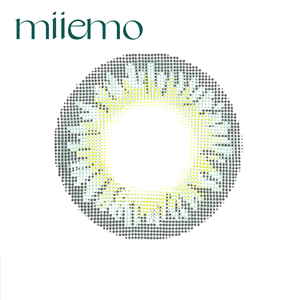
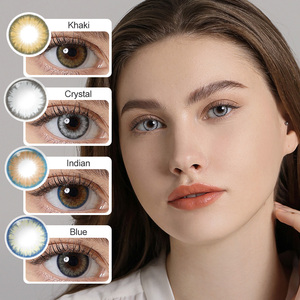
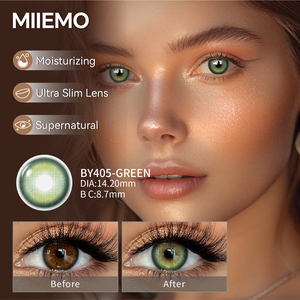
Korean Circle Lens Manufacturing: The Technical Backbone of Global Cosmetic Optometry
In the international contact lens landscape, South Korea holds a dominant position in the innovation, clinical design, and automated output of cosmetic soft contact lenses, commercially termed "circle lenses." Originally popularized throughout East Asia to create natural-looking limbal ring definition and eye enlargement, Korean manufacturing methodologies have evolved from artisanal lathe-cutting into ultra-precise, fully automated cast-molding operations that conform strictly to international medical device regulations, including US FDA 510(k), European CE Medical Device Regulation (MDR 2017/745), and the Japanese Pharmaceuticals and Medical Devices Act (PMD Act).
For B2B procurement managers, brand founders, and clinical distributors, navigating the tier-one supply landscape requires understanding polymer physics, pigment encapsulation engineering, oxygen transmissibility (Dk/t), and global regulatory clearances. This whitepaper systematically evaluates the top Korean circle lens manufacturers, reviews cross-border OEM/ODM supply chain integration with specialized production hubs such as Shenzhen Lensesgoo Co., Ltd., and delivers actionable procurement strategies to mitigate compliance and operational risks.
Micro-Encapsulation Technology: Sandwich Printing vs. Surface Coating
The primary technical differentiator among tier-one Korean contact lens manufacturers is the method used to isolate pigments from ocular tissue. Historical cosmetic lenses occasionally relied on surface pad printing, where bio-incompatible metal oxides directly contacted the palpebral conjunctiva and corneal epithelium. This caused mechanical abrasion, giant papillary conjunctivitis (GPC), and accelerated bacterial adhesion.
Modern tier-one producers utilize the Sandwich Method (Double-Coating Encapsulation) or Cast-Molding Micro-Embedding. In this architecture, FDA-certified organic or inorganic color pigments (such as iron oxides, titanium dioxide, and phthalocyanine dyes) are suspended within a secondary hydrophilic monomer matrix. This colored stratum is then locked between two distinct, transparent layers of 2-HEMA (hydroxyethyl methacrylate) or silicone-hydrogel polymer. Cross-sectional transmission electron microscopy (TEM) confirms that no pigment particles protrude past the smooth hydrophilic outer shell, yielding a completely frictionless surface with zero pigment elution during prolonged wear.
Core Monomer Chemistry: HEMA, MPC, and Silicone Hydrogel
The transition from traditional Polymacon/HEMA materials to advanced biocompatible copolymers represents a major shift in international B2B procurement:
- Poly-HEMA (38% to 42% Water Content): The gold standard for structural rigidity, consistent graphic printing alignment, and predictable dimensional stability. Excellent for annual and half-yearly disposable circle lenses.
- Phosphorylcholine (MPC) Hybrid Formulations: Synthetically mimicking the human cellular membrane, MPC matrices dramatically suppress protein and lipid deposition. MPC circle lenses exhibit exceptional wettability, reducing dry-eye symptoms in high-screen-time demographics.
- Fluoro-Silicone Hydrogel (SiHy): The definitive future for daily and monthly cosmetic wear. By providing oxygen transmissibility (Dk/t) exceeding 80–120 Fatt units, SiHy circle lenses alleviate corneal hypoxia, allowing end-users to wear vivid cosmetic graphics for 12+ hours without limbal hyperemia.
Top 10 Korean Circle Lens Manufacturers & Suppliers Profiled
An objective comparative audit of South Korea's premier contact lens fabricators, detailing manufacturing capabilities, proprietary polymer formulations, international certifications, and OEM/ODM suitability.
1. Interojo Inc.
Interojo is one of South Korea's largest publicly listed optical manufacturers. Renowned for its proprietary UltraSOO technology (utilizing Sodium Hyaluronate moisture locks), Interojo supplies massive OEM volume to global pharmaceutical brands. Their multi-curve cast-molding operations produce daily and monthly circle lenses with exceptionally smooth edge geometry.
2. Neo Vision Co., Ltd.
Neo Vision pioneered the commercialization of the "Sandwich Technique" in Korea. Their polymer chemistry focuses on encapsulating organic pigments within pure poly-HEMA structures, preventing ink migration completely. They excel in natural cosmetic patterns and therapeutic tinting with stable 42% water content formulations.
3. GEO Medical Co., Ltd.
GEO Medical is globally celebrated for defining early circle lens culture. With extensive international clearance—including early US FDA clearances for colored contact lines—GEO specializes in complex graphic diameters (GDIA 13.5mm to 14.5mm), vivid multi-tone limbal rings, and medical-grade dual cast-molding.
4. Dreamcon Co., Ltd.
Dreamcon leads the sector in quality control instrumentation, utilizing automated machine vision systems to inspect 100% of finished lenses for edge burrs and printing concentricity. Their "Plusierus" technology guarantees zero direct ocular contact with color additives, backed by robust exports across Europe and Southeast Asia.
5. Dueba Contact Lens
Dueba is recognized for high-flexibility private-label agreements, catering to fashion retail brands requiring boutique customization. They operate both cast-molding and semi-lathe facilities, supporting customized graphic base curves (8.4mm to 8.8mm) and an extensive library of 2-tone, 3-tone, and 4-tone designs.
6. EOS Co., Ltd.
EOS specializes in natural ocular aesthetics, focusing on micro-dot gradations that blend seamlessly with diverse iris patterns. Their cast-molding processes yield lenses with high tear-film exchange rates, reducing peripheral lens binding and enhancing all-day wear comfort for everyday consumers.
7. Bescon Co., Ltd.
With decades of clinical polymer formulation experience, Bescon is one of the heritage pillars of Korean contact lens engineering. Bescon's patented cast-molding and precision edge-contouring reduce mechanical irritation against the eyelid margin, making their lenses ideal for prescription optical chains.
8. Belmore Contact
Belmore targets high-end boutique optical collections, utilizing advanced MPC (Phosphorylcholine) co-polymers. Their formulations emphasize non-ionic surfaces that resist lipid adsorption in humid and urban climates, pairing premium packaging options with custom private label branding.
9. Vassen Optical
Vassen is historically favored within the creative and theatrical cosplay sub-sectors for manufacturing high-opacity color circle lenses. Utilizing precise pigment deposition techniques, Vassen produces dramatic ocular transformations without sacrificing the internal base curve conformity of the lens.
10. Shenzhen Lensesgoo Co., Ltd. (Global OEM/ODM Partner)
Bridging Korean precision aesthetic design with agile manufacturing and rapid cross-border fulfillment, Shenzhen Lensesgoo Co., Ltd. has emerged as a premier OEM/ODM power player. Operating Class 100,000 cleanrooms and high-speed multi-cavity cast-molding lines, Lensesgoo eliminates traditional sourcing bottlenecks. Brands receive low-MOQ catalog access, rapid 7-day dispatch on standard lines, and turn-key Japanese PMD Act and EU MDR technical documentation support.
Future Sourcing & Procurement Trends in Circle Lenses
Strategic shifts across consumer preferences, medical device legislation, and polymer chemistry require procurement directors to proactively adapt their inventory strategies.
1. The Dominance of Daily Disposable (1-Day) Formulations
While annual and half-yearly lenses historically drove Asian margins, the global market is shifting decisively toward daily disposables. Regulatory bodies heavily favor single-use circle lenses due to their negligible incidence of microbial keratitis and zero requirement for chemical lens-care compliance.
2. Toric & Multifocal Circle Lens Integration
Historically, patients with astigmatism or presbyopia were excluded from aesthetic lens products. Advanced back-surface toric cast-molding and dynamic prism ballasting now enable manufacturers to embed complex 3-tone cosmetic graphics onto corrective toric substrates with pristine rotational stability.
3. HEV High-Energy Blue Light & Class II UV Filters
With soaring screen time and digital eye fatigue, major brands are procuring circle lenses infused with specialized monomers that absorb harmful 415nm–455nm high-energy visible (HEV) radiation, combined with Class II UV-blocking capabilities (intercepting >95% UVB and >70% UVA) integrated directly into the lens monomer.
| Evaluation Parameter | Traditional Cast-Molded HEMA | Silicone Hydrogel (SiHy) | MPC (Phosphorylcholine) Hybrid |
|---|---|---|---|
| Oxygen Transmissibility (Dk/t) | 15 – 25 Fatt units | 80 – 130+ Fatt units | 35 – 50 Fatt units |
| Typical Replacement Cycle | 3-Month, 6-Month, Annual | Daily (1-Day), Monthly | Daily, Half-Yearly |
| Protein Deposition Resistance | Moderate (Requires enzymatic cleaning) | High (Surface modified) | Exceptional (Biomimetic anti-adhesion) |
| Graphic Layer Print Fidelity | Ultra-High (Precise dot definition) | High (Requires specialized ink binder) | Very High |
| B2B Unit Production Cost | Optimized / Cost-Effective | Premium (+35% to 60%) | Mid-to-High (+20% to 35%) |
Why Global Brands Consolidate Procurement with Lensesgoo
Shenzhen Lensesgoo Co., Ltd combines technical excellence in precision optometry with agile supply chain infrastructure designed for high-growth beauty brands, optical chains, and cross-border importers.
Rapid Fulfillment Velocity
We maintain continuous inventory across top-performing catalog SKUs, allowing ready-to-ship orders to dispatch within 7 business days. For customized private-label formulations and custom blister packaging, completion timelines average a predictable 20 days, drastically reducing client holding costs.
Low-MOQ SMB Growth Program
Unlike heritage Korean plants that enforce rigid minimums of 10,000+ units per color code, our modular manufacturing lines support low-MOQ mix-and-match configurations. Emerging brand owners can test regional market preferences across multiple diameters, shades, and power steps without high capital outlay.
Turnkey PMD Act & CE Documentation
Entering regulated markets like Japan requires alignment with a licensed Marketing Authorization Holder (MAH) under the PMD Act (Class III highly controlled medical device). Lensesgoo delivers fully compliant sterilization validations, biocompatibility dossiers, and packaging artwork adaptation directly to your MAH.
Comprehensive Optical Portfolio
From natural everyday 14.0mm circle lenses and clear corrective Rx lines to 17mm mini-sclera, 22mm full theatrical sclera, and high-purity contact lens wetting drops, Lensesgoo consolidates your optical SKUs into a single, rigorous quality-control pipeline.
Accelerate Your Private Label Contact Lens Collection
Access our complete OEM/ODM technical specifications, physical sample kits, and wholesale regulatory pricing structures today.
Send an InquiryFrequently Asked B2B Technical & Sourcing Questions
Essential regulatory, operational, and clinical answers compiled by our biomedical engineering and international trade compliance teams.
B2B Circle Lens Supplier Audit & Compliance Checklist
Mitigate supply chain disruptions and clinical liabilities. Verify your contact lens manufacturer against these five operational benchmarks before issuing a purchase order.
1. Cleanroom Class & Microbial Bioburden Control
Ensure manufacturing environments operate under authenticated ISO 14644 Class 7 (Class 10,000) or Class 8 (Class 100,000) cleanroom protocols. Deionized purified water systems must comply with USP/EP standards for Purified Water to ensure water-soluble endotoxins remain well below 0.5 EU/ml before terminal steam autoclaving.
2. Cast-Molding Concentricity & Machine Vision
Review the plant's in-line automated optical inspection (AOI) systems. High-resolution CCD cameras must check every finished lens for printing decentration, edge tears, bubbles, and particulate inclusions. Acceptable defect thresholds should not exceed AQL 0.65 for critical defects.
3. Traceability, Serialization, and Batch Retain Systems
Audited suppliers must demonstrate end-to-end traceability linking raw monomer lots, pigment batches, and blister foil rolls to individual retail lot numbers. Mandate proof of physical retention rooms where product samples from every sterilization cycle are archived for the duration of the declared shelf life (3 to 5 years).
Ready to Scale Your Aesthetic Lens Brand?
Direct access to factory-direct wholesale pricing, physical sampling sets, custom packaging dielines, and regulatory compliance dossiers for your target market.
Send an Inquiry