Factory-Direct High-Performance Contact Lenses & Packaging Systems
Engineered in compliance with ISO 13485 and global optical medical device directives. Browse our core production portfolio available for private labeling, customized water content tailoring, and high-speed export.
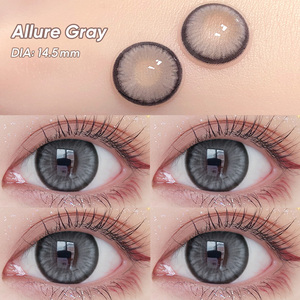
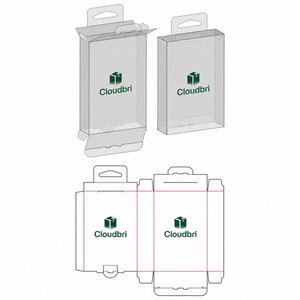
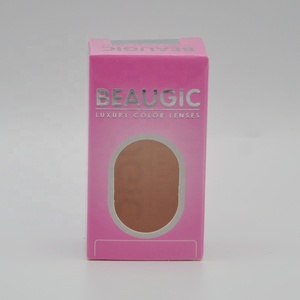
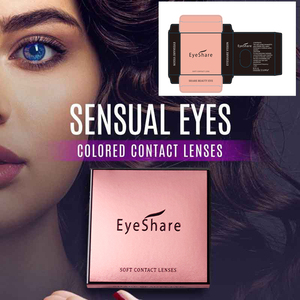
The Hegemony of Korean Contact Lens Engineering: An Industrial Benchmark
The global colored contact lens market has undergone a dramatic structural evolution. Once viewed purely as vision-corrective medical devices or niche theatrical novelties, cosmetic lenses have transitioned into essential beauty staples within the fast-moving consumer goods (FMCG) and derma-cosmetics landscape. At the center of this revolution stands South Korea—a dominant epicenter of hydrogel chemistry, micro-precision cast-molding, and graphic pigment encapsulation.
Korean manufacturers and specialized Asian export hubs have captured international market share through superior manufacturing discipline. Unlike legacy Western manufacturers historically focused on mass-market clear spherical lenses, South Korean facilities pioneered Dual-Layer Sandwich Micro-Pigmentation. By permanently locking biological dye particulates between biocompatible poly-HEMA or Silicone-Hydrogel membranes, Korean factories eliminated direct corneal friction while achieving unprecedented photorealistic iris rendering. For global brand owners, importers, and e-commerce distribution syndicates, choosing the right Korean or Korean-standard partner is the difference between scalable growth and devastating regulatory recalls.
Top 10 Korean Contact Lens Manufacturers & Primary Exporters
Our engineering and regulatory audit benchmarks the top 10 industrial manufacturing hubs dominating South Korean export channels, cross-border OEM agreements, and Japanese drugstore supply chains.
| Manufacturer / Exporter | Core Polymer Technology | Primary Export Markets | Lead Specialization | Regulatory Registrations |
|---|---|---|---|---|
| 1. Interojo Inc. (Clalen) | Silicone Hydrogel (Dk/t 80-130), Poly-HEMA | Japan, Europe, North America | High-Dk/t daily disposables, Ultra-thin cast mold | MFDSUS FDA 510(k)CE MDR |
| 2. Neo Vision Co., Ltd. | Sandwich Cast Molding, 2-HEMA | Japan, Southeast Asia, Middle East | Patented 'Sandwich Method' cosmetic lenses | ISO 13485PMDA ReadyMFDS |
| 3. G&G Contact Lens | Poly-HEMA, Etafilcon A | Global B2B, North America, LATAM | High-pigment natural cosmetics & Toric color Rx | MFDSCEKFDA |
| 4. GEO Medical Co., Ltd. | Cast Mold, Dual-Coating Pigment | Worldwide Wholesale, E-Commerce | Circle lenses, anime cosplay FX, classic nuance | ISO 13485MFDSCE 1023 |
| 5. PolyVue Technology Korea | High-Water Non-Ionic Polymers | Europe, CIS, North America | Aberration-control aspheric optics, Toric color | CE MDRUS FDAMFDS |
| 6. Dreamcon Co., Ltd. | Plusierus Technology (Micro-encapsulation) | Japan, China, Southeast Asia | Zero-leakage pigment safety, daily & monthly sets | PMDAMFDSISO 13485 |
| 7. Bescon (Innovision) | Cast Molding Poly-HEMA 38%-42% | Asia-Pacific, Latin America | Precision edge profile, high wear-comfort balance | MFDSCEISO 9001 |
| 8. Belmore Contact Lens | Poly-HEMA, Glycerol Hydrogel | Middle East, Japan, Europe | Subtle nuance gradient graphics, 3-tone natural | ISO 13485MFDS |
| 9. LensMam Co., Ltd. | Dual Cast Molding, Silicone-Hydrogel | Japan, APAC, Domestic Korean Retail | Ultra-fine limbal dots, 13.0mm–13.5mm graphic DIA | MFDSCE |
| 10. Lensesgoo Integrated Supply Chain | Cast Mold Poly-HEMA, Si-Hy, Mini/Full Sclera | Japan, North America, Europe, LATAM | Comprehensive OEM/ODM, Low MOQ, Cross-Border Turnkey | ISO 13485PMDA DossierCE Certified |
Interojo & Neo Vision: High-Volume Innovators
Interojo remains Korea's premier publicly traded powerhouse, boasting cutting-edge automated robotic cast molding lines. Their high-Dk/t daily disposables drive massive pharmacy contracts across Tokyo and Seoul. Meanwhile, Neo Vision's sandwich-print process remains the historic gold standard for zero pigment exposure, maintaining high corneal oxygen transmissibility and pristine surface wettability.
GEO Medical & Dreamcon: Micro-Pattern Pioneers
GEO Medical revolutionized Asian circle lenses through intricate iris texturing and multi-tone saturation. Dreamcon has made indelible marks with its patented 'Plusierus' method, sealing colorants strictly within the inner polymer matrix. This delivers zero dye rub-off when subjected to rigorous ISO-certified solvent extraction and abrasion tests.
The Cross-Border Turnkey Advantage
While traditional Korean factories often impose prohibitive minimum order quantities (MOQs exceeding 50,000 units per SKU) and strict 60-day manufacturing windows, agile integrated partners like Lensesgoo bridge the gap. By combining Korean-grade precision casting with end-to-end custom secondary packaging, stock availability for quick sampling, and Class III PMDA/MFDS dossier support, overseas brands achieve rapid speed-to-market.
Contact Lens Sourcing & Procurement Trends (2026–2030)
Procurement directors and brand strategists must navigate shifts in material science, replacement frequency economics, and sustainable sterile packaging architectures.
1. Silicone Hydrogel Migration in Cosmetic Segments
Historically, 90% of cosmetic colored contact lenses utilized standard HEMA-based polymers with an oxygen transmissibility (Dk/t) hovering between 15 and 25. Over the next five years, regulatory bodies and discerning consumers demand Dk/t ratings above 80. Factory investment is shifting heavily toward fluorosilicone macromers, blending high water retention with superior corneal respiration to reduce neovascularization risks during long-hour cosmetic wear.
2. Acceleration of Daily Disposable (1-Day) Regimens
While half-year and yearly lenses maintain stronghold loyalty in budget channels and cost-sensitive theatrical/cosplay domains, the ultra-premium beauty retail channel is decisively migrating to single-use daily disposables. Driven by Japanese drugstore trends (ワンデーカラコン), daily lenses remove consumer compliance errors with lens cases and hydrogen peroxide solutions, resulting in higher repeat reorder rates and lifetime customer value for B2B brands.
3. 'Hyper-Natural' Graphic Diameters (G.DIA 13.0mm–13.4mm)
The era of exaggerated 15.0mm doll-eye circle lenses has matured. Contemporary K-beauty and J-beauty aesthetics prioritize "barely-there" enlargement. Procurement orders are overwhelmingly focused on graphic diameters (G.DIA) between 13.0mm and 13.4mm featuring asymmetric micro-dots, transparent gradient limbal borders, and complex amber, olive, and greige hues that seamlessly adapt to natural melanin variations in dark brown irises.
4. Sustainable PP Blister Packs & FSC Certified Packaging
Environmental sustainability has entered optical procurement criteria. European and Japanese customs increasingly enforce post-consumer recycled plastic quotas. Sourcing managers now specify ultra-thin polypropylene blister shells with solvent-free dialyzed peel-foil membranes, bundled into FSC-certified paper secondary packaging with plant-based soy ink printing to reduce global brand carbon tariffs.
Enterprise Sourcing Advantage: Why Global Importers Partner with Us
Sourcing contact lenses across international borders involves stringent regulatory compliance, tight chemical manufacturing tolerances, and delicate packaging supply chains. We combine Korean design aesthetics and Japanese medical-device rigor with unprecedented manufacturing agility:
1. Dual-Track Rapid Dispatch: Unlike conventional suppliers requiring 8 to 12 weeks for production setup, our cataloged in-house inventory ships within 7 days. Fully customized private-label brand packaging, complete with custom blister foils, barcodes, and localized multi-language instructions for use (IFU), completes production in just 20 days.
2. Low MOQ Testing for High-Growth SMBs: We empower emerging beauty entrepreneurs, boutique salon chains, and e-commerce creators to test the market with modular, mix-and-match order minimums across natural hues, prescription ranges (-0.50 to -10.00D), and 17mm/22mm costume sclera lines without paralyzing initial capital commitments.
3. Comprehensive MAH & PMDA Dossier Support: Navigating Japan's PMD Act (Class III highly controlled medical device classification) or the European Union's CE MDR requires granular chemical composition breakdowns, leachability tests, cytotoxicity validations, and accelerated stability reports. Our in-house technical documentation team supplies turnkey regulatory dossiers directly to your domestic Marketing Authorization Holder (MAH).
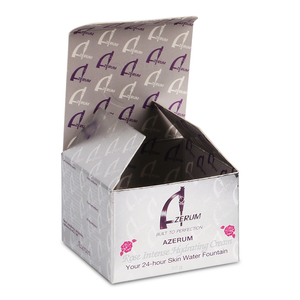
4. End-to-End Packaging & Branding Ecosystem: We do not simply ship raw blisters. We engineer your market presence. From custom hot-stamped paper boxes, multi-pack vanity sleeves, and retail point-of-sale display trays to complementary sterile isotonic saline eye drops and antimicrobial travel cases, our end-to-end integration lowers your unit landed costs.
Accelerate Your Brand Launch with Korean-Quality Contact Lenses
Connect directly with our senior optical engineers and international supply chain consultants. Request certified product catalogs, physical sampling boxes, and private-label OEM quotation tiers.
Contact UsFrequently Asked Questions (FAQ) for Global Lens Importers
Critical technical, legal, and logistic inquiries answered by medical device manufacturing auditors and export specialists.
1. How do Korean sandwich-print lenses guarantee corneal safety?
The sandwich manufacturing process (encapsulation) embeds micronized color pigments inside two micro-layers of polymer matrix (typically poly-HEMA or silicone hydrogel). Because the pigment never directly touches the corneal epithelium or the palpebral conjunctiva, mechanical friction, dye elution, and chemical abrasion are eliminated, completely passing strict ISO 10993 cytotoxicity and ocular irritation tests.
2. What is the typical MOQ for custom OEM colored contact lens packaging?
While standard factory minimums in South Korea usually demand 5,000 to 10,000 pairs per individual color and prescription power, our agile supply chain model allows low initial volumes starting as low as 500 to 1,000 pairs across mixed SKUs for private label boxes, enabling brand founders to thoroughly validate their market fit before scaling up capital commitments.
3. How does Japan PMDA Class III medical device regulation impact Korean imports?
Under Japan's PMD Act, all corrective and decorative cosmetic contact lenses are regulated as Class III highly controlled medical devices. Lenses cannot be sold without a licensed Japanese Marketing Authorization Holder (MAH) who holds the Foreign Manufacturer Registration (FMR) and Shonin pre-market approval. We provide full technical construction files (TCF), biocompatibility audits, and stability tests to satisfy your MAH.
4. What are the key differences between 38%, 42%, and 58% water content?
Contrary to consumer assumptions, higher water content is not always superior. For conventional poly-HEMA lenses, 38%–42% water content lenses draw less moisture from the tear film, making them significantly better suited for dry climates, long screen exposure, and 8+ hour wearing cycles. 55%–58% high-water lenses offer immediate initial tactile softness but can cause end-of-day dehydration in patients with dry-eye syndrome.
5. Can you manufacture custom graphic diameters and custom pupil openings?
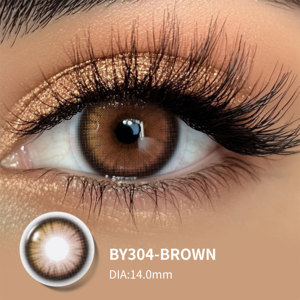
Yes. Through our ODM engineering department, clients can specify exact total diameter (DIA, typically 14.0mm to 14.5mm), graphic diameter (G.DIA, 12.8mm to 13.8mm), base curve (BC, typically 8.5mm to 8.7mm), and optical pupil clearing zone (typically 3.8mm to 4.2mm) to prevent visual obstruction (tunnel vision) during varying pupil dilation conditions.
6. How are sterile blisters packaged, inspected, and validated?
Every blister is precision-injected with buffered isotonic saline solution (with or without sodium hyaluronate wetting agents), hermetically sealed using medical-grade aluminum composite foil, and subjected to moist-heat terminal steam autoclaving at 121°C for 20 to 30 minutes. Automated optoelectronic optical sensors scan 100% of units for edge chips, air bubbles, and foreign particulates prior to cartoning.
7. What is the standard shelf-life stability of exported cosmetic lenses?
Properly sealed and autoclaved contact lenses in polypropylene blisters or glass vials maintain an official validated shelf-life stability of 5 years from date of terminal sterilization. Packages must be stored in cool, dry conditions out of direct UV light to preserve polymer integrity and saline pH equilibrium (6.8–7.6).
8. Can custom prescription ranges (Rx) be combined with cosmetic color patterns?
Yes. We supply zero-power (plano 0.00D) lenses for purely cosmetic beauty applications alongside corrective myopic powers from -0.50D to -6.00D (in 0.25D increments) and -6.00D to -10.00D (in 0.50D increments). Custom toric color lenses for astigmatic patients are also available upon specialized custom mold scheduling.
9. What payment structures and export incoterms are supported?
We accommodate standard global commercial procurement instruments including T/T (telegraphic wire transfer), Irrevocable Letter of Credit (L/C at sight for large containers), Western Union, and credit card/PayPal for initial sample validation batches. Standard incoterms supported include FOB Shenzhen/Hong Kong/Incheon, CIF destination airport, and DDP (Delivered Duty Paid) express options.
10. How quickly can evaluation samples be dispatched to our medical testing facility?
Stock evaluation units across our natural, cosplay, and clear corrective catalog are packed and dispatched via DHL, FedEx, or UPS Priority within 48 to 72 business hours. Samples arrive complete with technical data sheets, batch lot numbers, and sterilization certifications for prompt laboratory evaluation by your quality control officers.
Launch Your Private Label Optical Collection Today
From formulation to finished blister, partner with an industrial exporter trusted by beauty conglomerates, optical retail chains, and international distributors. Start your inquiry right now to speak with a direct supply representative.
Contact Us