Featured Contact Lenses & Custom Private Label Packaging Solutions
Explore factory-direct cosmetic colored contact lenses, cosplay theatrical FX lenses, and bespoke luxury packaging. Designed to satisfy high-volume wholesale distributors across Japan, South Korea, North America, and the EU.
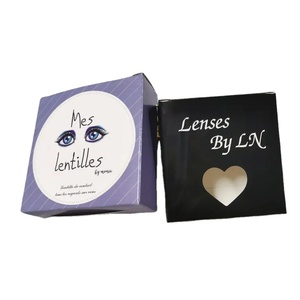
Custom Free Printed Design Contact Lenses Packaging Eye Color Contact Lenses Gift Box
View Product Details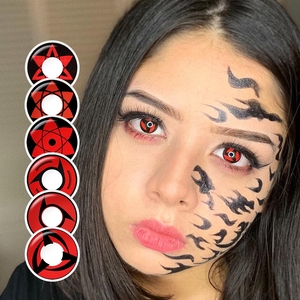
Free Shipping Anime Contact Lenses Cosplay Colored Contacts Halloween Eye Lens Lentes De Contacto
View Product Details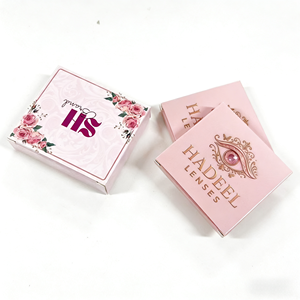
2026 Custom Recyclable Cosmetic Contact Lenses Rigid Kraft Handle UV Coating Packaging
View Product Details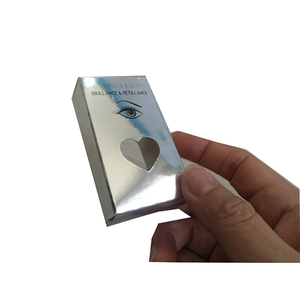
OEM Private Customized Brand Contact Lens Cosmetic Box Packaging System
View Product Details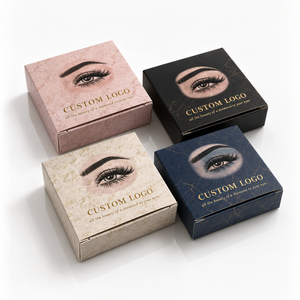
Custom Luxury Contact Lens Box with Oval Window Gold Foil Marble Paper for Private Label
View Product Details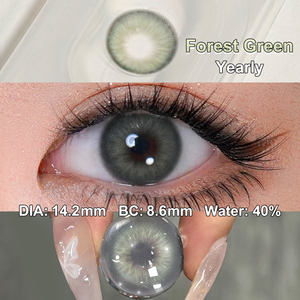
Freshgo Wholesale 14.20mm Soft Black Color Contact Lenses (6 Months Beauty Lenses)
View Product Details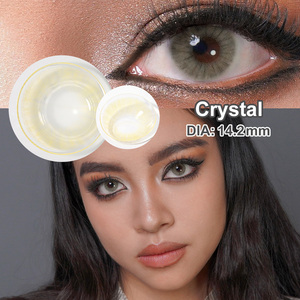
Hot Selling Freshgo Colored Contact Lenses Wholesale Custom Logo Packaging Lentilles
View Product Details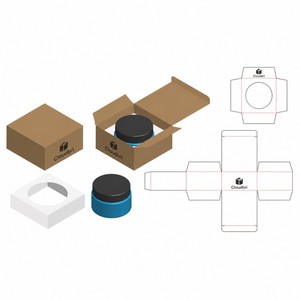
Love Window Design Lens Contacts Colored Eye Contact Lenses Wholesale Paper Box Solution
View Product DetailsThe Cross-Border Sourcing Paradigm: Navigating China Manufacturing & Korea Wholesale Ecosystems
The global cosmetic contact lens market—often termed "Color Contact Lenses" or "Circle Lenses" (カラコン in Japan and 렌즈 in South Korea)—has transitioned from a niche optical accessory into a multi-billion-dollar fast-beauty category. For brand owners, cross-border procurement managers, e-commerce enterprise executives, and optical distributors, navigating the supply chain landscape between China's medical-grade manufacturing superpowers and South Korea's aesthetic trend-setting design studios is the single most critical strategic decision for long-term profit margins and regulatory security.
Historically, Korean manufacturers established an early lead in ultra-natural 3-tone color printing and micro-dot pigment matrix design. However, over the past decade, leading Chinese medical device enterprises—exemplified by Shenzhen Lensesgoo Co., Ltd.—have closed the aesthetic gap while scaling up fully automated, cleanroom-based cast-molding manufacturing infrastructure. By combining Korean aesthetic design intelligence with China's unrivaled industrial scalability, lower unit costs, and end-to-end bespoke packaging capabilities, global buyers can unlock unprecedented supply chain resilience and competitive pricing.
Advanced Polymer Chemistry: PolyHEMA, Hydrogel & Silicone Hydrogel Innovations
A primary concern for B2B buyers evaluating contact lens suppliers is eye safety, wearability comfort, and mechanical lens stability. In the field of cosmetic contact lens manufacturing, two foundational material families dominate the OEM production floor:
PolyHEMA & Hydrogel Matrix (HEMA/NVP Copolymer)
Poly(2-hydroxyethyl methacrylate) remains the gold standard for daily, monthly, and annual cosmetic contact lenses. With a balanced water content (typically 38% to 42%), PolyHEMA lenses offer exceptional dimensional stability, high tensile strength, and minimal dehydration rate during prolonged screen exposure or controlled indoor environments. Hydrogel formulations engineered by Chinese manufacturers utilize advanced non-ionic polymers that resist protein lipid deposition, maintaining crystal-clear optical clarity throughout the wear cycle.
Silicone Hydrogel (SiHy) Next-Gen Polymerization
Silicone Hydrogel integrates siloxane monomers into the hydrogel matrix, creating microscopic oxygen pathways that yield transmissibility (Dk/t) values 3x to 5x higher than traditional PolyHEMA. This eliminates corneal hypoxia during extended wear schedules. China's top medical-grade factories now deploy proprietary surface-wetting plasma treatment processes that shield the hydrophobic silicone molecules, ensuring an ultra-smooth tear-film interface and zero ocular irritation.
The "Sandwich" Color Encapsulation Technology (Double Coating Process)
When acquiring cosmetic lenses from China or Korea, safety compliance under Class III Medical Device guidelines (such as China NMPA, Korea MFDS, US FDA, and EU CE 2195) dictates that organic color pigments must never directly contact corneal or conjunctival tissue. Superior manufacturers employ Sandwich Printing Technology (Bio-Color Encapsulation).
In this fully automated process, the micro-pigment layer (featuring up to 5-tone gradient printing) is embedded precisely between two transparent, inert polymer film layers (Base Layer and Cover Layer). The structure is polymerized into a unified single piece using precision cast-molding. This guarantees zero pigment leaching, zero friction against the eyelid, and smooth oxygen diffusion across the entire lens diameter.
| Manufacturing Parameter | Standard Cosmetic Hydrogel | Premium Silicone Hydrogel (SiHy) | Theatrical & Cosplay Lenses |
|---|---|---|---|
| Material Polymer | PolyHEMA / HEMA-NVP Copolymer | Fluoro-Silicone Hydrogel Matrix | High-Durability Rigid-PolyHEMA |
| Water Content Range | 38% – 42% (Optimal Balance) | 45% – 55% (High Moisture) | 38% (Low Dehydration Rate) |
| Oxygen Transmissibility (Dk/t) | 18 – 25 Dk/t | 85 – 120 Dk/t | 15 – 20 Dk/t |
| Base Curve (BC) / Diameter | 8.5mm – 8.6mm / 14.0mm – 14.5mm | 8.6mm – 8.8mm / 14.2mm | 8.6mm / 14.5mm, 17mm, 22mm Sclera |
| Color Layer Technology | Micro-Dot Sandwich Encapsulation | Surface Plasma Encapsulation | Full-Coverage Opaque Pigmentation |
| Regulatory Tier | Class III Medical Device | Class III Medical Device | Class III Special Device |
Comparative Sourcing Analysis: China Factories vs. Korean Suppliers
To build a high-margin contact lens enterprise, brand leaders must evaluate total cost of ownership (TCO), minimum order quantities (MOQ), customization speed, and secondary packaging capabilities across both production hubs:
China Manufacturing Strength
- ✔ Unrivaled Unit Cost Economics: Highly automated high-speed cast molding lines drastically reduce unit costs.
- ✔ Turnkey Box Packaging: Direct access to specialized printing complexes for rigid kraft boxes, gold foil stamping, and UV coating.
- ✔ Scalable Factory MOQs: Flexible production runs ideal for small-to-medium cosmetic brands and viral e-commerce launches.
Korea Wholesale Advantage
- ★ K-Beauty Aesthetic Lead: Pioneer of hyper-natural pupil enlarged designs, soft grey-hazel gradients, and iris rim detailing.
- ★ Strong Brand Equity: End-consumers in Asia associate Korean optical brands with premium beauty aesthetics.
- ★ Rapid Trend Iteration: Agile release cycles tailored for fast-changing influencer cosmetics culture.
The Hybrid Sourcing Solution
Maximum Profitability Architecture: Leverage Korean design artwork and color-layer separation blueprints, while placing high-volume OEM production and bespoke rigid packaging orders directly with Chinese Class-III certified factories like Shenzhen Lensesgoo Co., Ltd. This hybrid formula slashes land-cost per blister by 30%-45% while maintaining world-class aesthetic appeal.
Future Sourcing & Aesthetic Trends in Colored Contact Lenses (2026–2030)
Understanding consumer shifts is paramount for procurement managers placing advance orders 6 to 12 months ahead of market distribution. Over the next five years, four macro-trends will dominate global colored contact lens sales:
1. "No-Line" Soft Rim & Glaze Natural Aesthetics
The era of harsh, solid black limbal rings has passed. Next-generation consumer demand is moving toward soft, feathered edges (Graphic Diameter 13.0mm to 13.5mm) that blend seamlessly into dark brown or black irises. Shades like ash olive, honey greige, sheer hazel, and milk-tea brown feature micro-dot densities under 1200 DPI to create an ethereal, natural "watercolor" effect.
2. Eco-Friendly Sustainable & Rigid Gift-Box Packaging
Regulatory and consumer pressure is accelerating the demise of single-use non-recyclable plastic packaging. Premium brands are migrating toward recyclable kraft paper outer boxes, biodegradable rigid board structures, UV-embossed magnetic gift boxes, and minimal blister foil assemblies that lower carbon footprint without compromising luxury unboxing experiences.
3. High-Opaque Anime, Cosplay & Theatrical Specialty Lenses
Driven by cosplay conventions, gaming fandoms, and Halloween culture, specialty theatrical lenses (including 17mm mini-sclera and 22mm full-sclera lenses) are experiencing explosive growth. Sourcing these requires specialized factories capable of maintaining complete light-blocking opacity while preserving high oxygen transmission and center vision alignment.
4. Hybrid Corrective RX + Cosmetic Color Integration
Cosmetic buyers increasingly demand vision correction within their color contacts. Sourcing partners must offer extensive prescription power availability (ranging from -0.50 to -10.00 Sph, and up to -2.25 Cyl for toric color contacts), molded with precise optical power compensation that prevents image distortion.
Enterprise Advantage: Why Partner with Shenzhen Lensesgoo Co., Ltd.
As a world-class colored contact lens manufacturer and OEM supplier based in Shenzhen, China, Shenzhen Lensesgoo Co., Ltd. bridges the gap between state-of-the-art medical production technology and market-ready cosmetic brand building.
100% Class 100,000 Cleanroom Manufacturing
Our automated production floor operates strictly under Class 100,000 cleanroom standards with ISO 13485 medical device quality control. Automated optical inspection (AOI) systems scan 100% of manufactured lenses for edge defects, tears, or color misalignments.
End-to-End Private Label Engineering
We offer total OEM/ODM customization: from initial lens pattern prototyping, base curve adjustments, and blister sealing to custom rigid gift boxes, foil stamping, localized Japanese/Korean/English artwork, and leaflet compliance printing.
Agile Global Logistics & Fast Fulfillment
In-stock wholesale brand orders ship within 7 working days, while custom OEM private-label runs are delivered in approximately 20 days. Our strategic supply chain hub in Shenzhen guarantees swift customs clearance and express delivery worldwide.
Frequently Asked Questions for B2B Contact Lens Buyers
Addressing crucial regulatory, technical, and operational questions regarding direct China factory sourcing and Korea distributor collaborations:
Ready to Scale Your Cosmetic Lens Brand with Direct Factory Sourcing?
Partner with Shenzhen Lensesgoo Co., Ltd. to access high-margin, ISO-certified colored contact lenses, rapid OEM prototyping, custom eco-friendly packaging, and reliable global shipping.