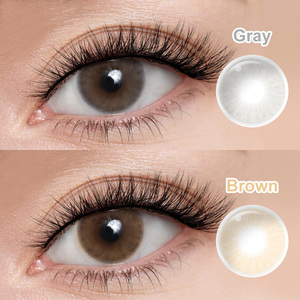
Factory-Direct Catalog
Verified Medical-Grade Color Contact Lenses & Packaging Systems
Explore our premium OEM/ODM product selection, featuring specialized pigment encapsulation technology, high-permeability silicone hydrogel matrixes, and fully custom retail packaging.
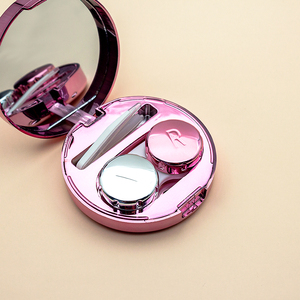
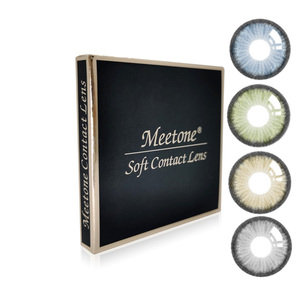
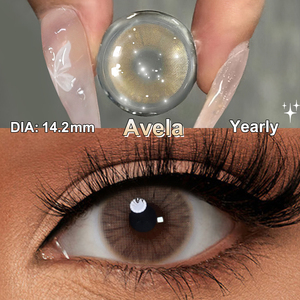
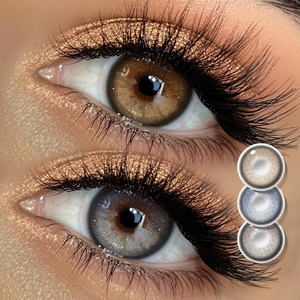
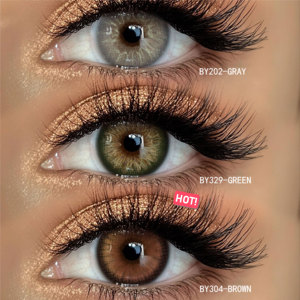
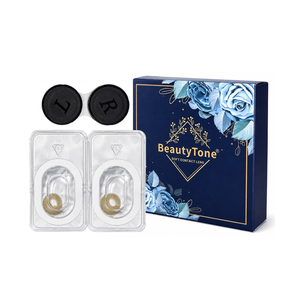
7 Days
In-Stock Catalog Dispatch
~20 Days
Custom OEM Turnaround
100%
Class 100,000 Cleanroom Inspected
50+
Countries Cleared & Exported
Strategic Whitepaper
Macro Dynamics in China Contact Lens Manufacturing & Global Procurement
An authoritative analysis of optical supply chain evolution, material engineering breakthroughs, and compliance governance for international B2B buyers.
The global cosmetic contact lens sector is experiencing a structural paradigm shift. Once treated primarily as medical corrective implements, colored contact lenses (カラコン in Japan and aesthetic ocular prosthetics in Western markets) have consolidated into high-frequency beauty cosmetics. For procurement executives, optical brand incubators, and cross-border distributors, partnering with a premier China wholesale colored contacts manufacturer and exporter represents not just cost optimization, but a vital strategic integration into high-velocity supply networks.
Historically concentrated in regional hubs like Korea and Taiwan, high-volume cast-molding synthesis has rapidly migrated toward cutting-edge facilities in Shenzhen and the greater Guangdong manufacturing zone. This industrial pivot is anchored by modern fully automated cast-molding fabrication lines, closed-loop wet-lab sterilization bays, and micron-accurate robotic pigment isolation processes. Procurement directors are shifting from rigid contract manufacturing toward agile ODM/OEM partnerships that provide on-demand batch runs, rapid regulatory dossier synchronization, and shortened cycle times from initial CAD/render conceptualization to commercial sterilization.
B2B Product Portfolio Recommendations by Target Channel
Selecting the appropriate ocular formulation, replacement interval, and edge profile determines retail sell-through and minimises user intolerance. Based on field audit data across retail optical chains, cosmetic boutiques, and direct-to-consumer (DTC) digital storefronts, our engineering team categorizes our core manufacturing lines across three distinct commercial environments:
Natural Daily & Monthly Beautification
Recommended for mainstream cosmetic pharmacies and beauty retail conglomerates. Formulated with subtle limbal blend patterns, 14.0mm to 14.2mm total diameters, and high water-content hydrogel matrices. These lenses maximize moisture retention and replicate natural iris stroma without visual magnification distortion.
Anime, Doll-Eye & High-Pigment Cosplay
Engineered for specialty novelty retailers, e-commerce boutiques, and pop-culture hubs. Incorporates dense, vivid micro-screen printing with graphic diameters up to 13.8mm and mini-sclera profiles (17.0mm). Features complete natural color suppression for theatrical intensity and character replication.
Turnkey Private Label Packaging Kits
Indispensable for digital native brands seeking rapid market entry. Combines high-barrier aluminum-foil blister sealing, multi-language regulatory foldout leaflets, anti-counterfeit holographic embossing, and premium rigid box packaging tailored to destination labeling mandates.
Technical Specifications Matrix: Hydrogel vs. Advanced Silicone Formulations
Understanding the clinical and physical parameters of contact lens substrates is crucial for overseas importers conducting risk management and compliance submissions.
| Evaluation Parameter | PolyHEMA Hydrogel (Traditional Standard) | Silicone Hydrogel (SiHy 3rd Gen) | Pigment Sandwich Matrix (Patented Tech) |
|---|---|---|---|
| Oxygen Permeability (Dk/t) | 18 – 28 Dk/t (Safe for daily wear) | 80 – 130 Dk/t (Extended oxygenation) | Uncompromised core flow (0% pigment exposure) |
| Water Content Range | 38% – 42% (Optimal tear film stability) | 45% – 55% (High hydrophilic index) | Homogeneous boundary across all layers |
| Manufacturing Method | Full Cast-Molding / Lathe Cut Finishing | Automated Dual-Polymer Cast Molding | Multi-Layer Micro-Encapsulation |
| Best Commercial Application | High-volume wholesale, seasonal, cosplay | Premium daily disposables, clinical RX | Medical-grade cosmetic color lenses |
| Regulatory Approval Path | CE, US FDA 510(k), NMPA Class III | CE, US FDA 510(k), PMDA Class III (Japan) | MDR 2017/745, PMDA Full Biocompatibility |
Future Procurement Trends: The Next 3–5 Years in Global Sourcing
International buyers face an increasingly complex geopolitical, logistical, and consumer landscape. Forward-thinking sourcing directors must navigate four transformative trends:
1. Shift Toward High-Frequency Daily Disposables (1-Day Wears): While annual and quarterly lenses continue to dominate price-sensitive emerging markets, developed economies in North America, Western Europe, and East Asia are transitioning rapidly to single-use daily disposables. Daily lenses eliminate user non-compliance with disinfectant storage systems, drastically lowering microbial keratitis risks and increasing recurring repurchase metrics. As an agile Chinese manufacturer, our factories have scaled automated sterile strip-packaging to produce ultra-thin blister packs at scale.
2. Advanced Biocompatible Wetting Agents: Hyaluronic acid (HA) integration and Polyvinylpyrrolidone (PVP) locking technologies are superseding conventional saline packaging. Importers are requesting lenses pre-conditioned with sustained-release moisturisers, catering directly to consumers working in air-conditioned environments and experiencing digital eye strain from prolonged screen usage.
3. Low MOQ Hybrid Sourcing Models: The era of demanding 50,000-unit minimum orders per stock-keeping unit (SKU) has ended. Modern procurement directors demand flexible, fast-turnaround inventory models. By standardizing base-curve geometries (8.5mm to 8.7mm) and optimizing automated ink printing plates, we enable brand incubators to launch multi-color collections with low initial minimums, scaling up replenishment only after market testing validates consumer demand.
4. Strict Regulatory Harmonization & Auditing Trails: With the transition to the European Medical Device Regulation (EU MDR 2017/745) and Japan's stringent PMDA criteria, export traceability has become non-negotiable. Modern manufacturers must maintain end-to-end batch genealogy—from monomer synthesis to final autoclave chamber thermal curves—guaranteeing that international brand partners are fully protected during routine health ministry inspections.
Why Partner With Us
End-to-End Manufacturing Supremacy & Supply Chain Reliability
Combining state-of-the-art cleanroom manufacturing with dedicated export operations to scale your contact lens enterprise securely.
GMP Class 100,000 Cleanrooms
Every lens is molded, hydrated, inspected, and autoclaved within strictly regulated cleanrooms, maintaining zero biological contamination across every batch.
Patented Pigment Sandwiching
Color pigments are encapsulated between micro-layers of polymer, ensuring zero direct contact between colorants and the corneal endothelium, protecting ocular health.
Full OEM/ODM Customization
Complete flexibility in graphic diameters, base curves, edge gradients, and bespoke box design, with support for multi-language instructions for use (IFUs).
Rapid Global Turnaround
Stock orders dispatch within 7 days, and custom OEM runs complete in approximately 20 days, backed by express air logistics and door-to-door customs clearance support.
Procurement Guidance
Frequently Asked Questions by Overseas Importers
Key information regarding international compliance, minimum order quantities, factory auditing, and custom packaging support.
What international medical device certifications do your contact lenses hold?
Our manufacturing infrastructure operates under stringent ISO 13485:2016 Quality Management Systems and Medical Device GMP regulations. Our contact lenses and production lines maintain CE certification, US FDA 510(k) clearances for selected lines, and comprehensive Class III Medical Device registrations with China's NMPA. Complete Technical Construction Files (TCF), biocompatibility test reports (cytotoxicity, systemic toxicity, ocular irritation), and stability test reports are readily available to our authorized distributors for local registration filings.
How does your factory ensure the safety and longevity of colored pigments?
We employ an advanced, proprietary Sandwich Micro-Encapsulation Technology. Unlike uncertified low-cost alternatives where pigments are applied directly to the lens surface, our process embeds medical-grade colorants securely inside the internal layers of the hydrogel polymer. This ensures the pigments never come into contact with the cornea, conjunctiva, or tear film, eliminating pigment leaching or corneal abrasion risks while providing smooth ocular glide and long-lasting comfort.
What are your standard Minimum Order Quantities (MOQs) for custom private label orders?
We structure our MOQs to facilitate business growth for both established optical distributors and emerging DTC brands. For standard catalog products from our in-stock inventory, minimums start as low as 50 to 100 pairs across mixed colors. For fully customized private-label production (custom blister foil printing, unique color temperatures, bespoke multi-pack box packaging), MOQs typically start at 500 to 1,000 pairs per design. We also offer tiered volume incentives for large enterprise procurement.
Can you provide technical documentation and support for registration in our domestic market?
Yes. In jurisdictions such as Japan (PMDA Class III), the EU (MDR), and the United States (FDA), color contact lenses are regulated as high-risk medical devices requiring formal regulatory clearance. While the local importer or Marketing Authorization Holder (MAH) must file the formal submission in their target country, our regulatory compliance team supplies the complete manufacturer dossiers: Sterilization Validation (ISO 11137 / ISO 17665), Accelerated Aging Shelf-Life Testing (demonstrating up to 5 years stability), Biocompatibility Profiles, and Process Validation Reports.
What is the typical production lead time and logistics procedure?
In-stock styles from our factory warehouse typically dispatch within 5 to 7 business days following payment confirmation. Custom OEM/ODM orders requiring newly calibrated cast molds or bespoke packaging take approximately 20 to 25 business days. We partner directly with DHL, FedEx, and specialized cold-chain air cargo handlers, providing tracked door-to-door delivery within 3 to 6 business days globally, complete with verified export manifests, Certificate of Analysis (CoA) batches, and customs declarations.